
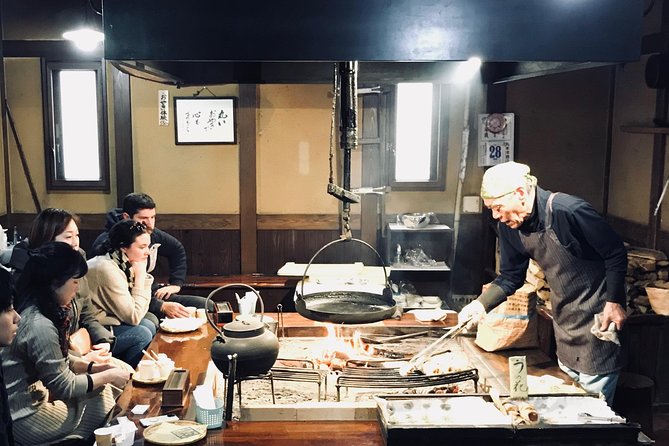
Reviewed · TEMPLE WALKING TOURS
Food & Cultural Walking Tour around Zenkoji temple in Nagano
The best part of this Nagano tour is the way food leads you into the old town. You begin near Nagano Station, then walk toward Zenkoji through residential lanes, local shops, temple streets, and places you could easily miss on your own. Along the way, irori-cooked oyaki gives you a taste of Nagano’s mountain food, while sake, miso soup, matcha, and sweets fill out the afternoon.
I like two things here. First, the tour connects snacks to place: oyaki comes from the nearby village of Ogawa, and the temple town’s shops and back streets give the food a setting. Second, guides such as Masa and Kasumi add useful local context, take high-quality photographs, and can make a small booking feel almost private.
The main consideration is the walking and food restrictions. You need moderate fitness, comfortable shoes, and an appetite for wheat and other ingredients. The tour is not suitable for a gluten-free diet, and the three-hour route can feel full if you prefer slow temple visits.
Key points to know before booking
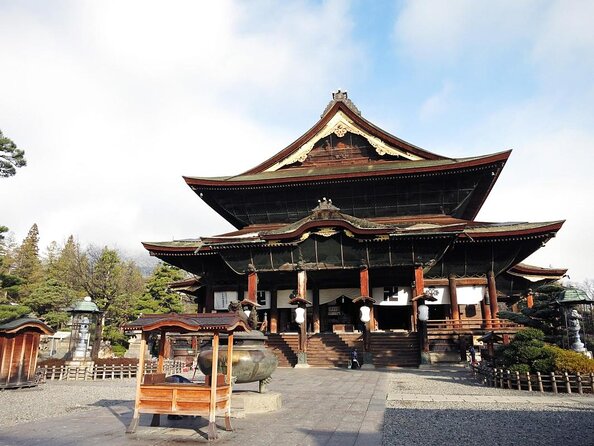
- Oyaki by a traditional hearth: Taste two stuffed dumplings cooked near a warm irori, a sunken Japanese hearth.
- Zenkoji from the town around it: Walk the high street and quieter lanes while learning about the temple’s 1,400-year story.
- Sake, pickles, and miso soup: Sample several Nagano sake varieties with small bites and a local soup.
- Matcha in a Japanese-style room: Finish with matcha and a traditional sweet in a calmer setting.
- Small-group feel: The maximum is 15 people, though many departures are much smaller and may feel personal.
- Useful keepsake: High-quality photographs are taken during the experience and shared afterward.
Why this three-hour walk works in Nagano
Nagano is often treated as a stop on the way to the Japanese Alps, a snow resort, or the famous monkeys. That is a shame. The area around Zenkoji gives you a more ordinary and human view of the city, with food shops, homes, shrines, old buildings, and temple customs mixed into one walk.
This tour is designed for that first look. It does not spend three hours inside one monument. Instead, you move through the wider temple town and stop at two or three local businesses. That format gives you useful orientation early in a Nagano visit. You can see where the main shopping street runs, how the temple district changes into residential lanes, and where local products are sold.
I especially like the link between tasting and storytelling. Oyaki is not presented as a random snack. You learn that it is a Nagano specialty associated here with Ogawa, then eat it near a traditional hearth. Matcha comes at the end in a Japanese-style room, giving the final stop a different mood from the lively food tastings.
The tour generally requires at least two people to operate. The maximum is 15, so it is not a private tour by definition, but a small departure can be very intimate. Solo visitors should contact the company before booking to check availability.
More Temple Walking Tours in Japan
- Tokyo: Asakusa Walking Tour with Sensoji Temple Visit
★ 4.8 · 1,583 reviews - Asakusa Senso-ji Temple and Old Tokyo Walking Tour
★ 5.0 · 560 reviews - Tokyo: Meiji Shrine Walking Tour — Shinto & Imperial System
★ 4.9 · 266 reviews
Meeting Masa or another local guide at Nagano Station
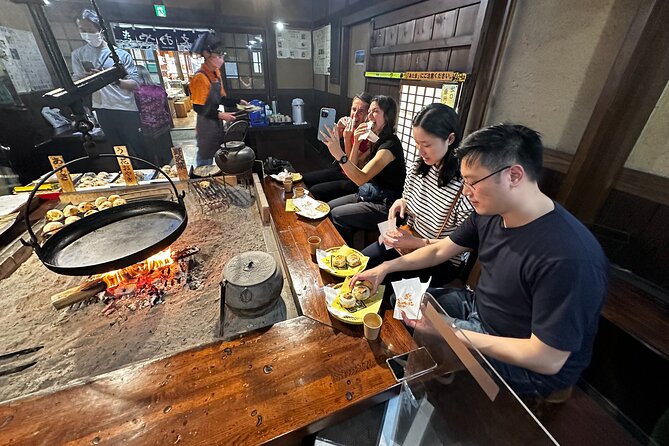
The meeting point is in front of Starbucks Coffee in MIDORI Nagano, at 1-chome-22-6 Minamichitose. This is a practical starting point because it is at Nagano Station, and the tour ends back at the same meeting point.
Your guide may be Masa, Kasumi, or another guide from o8Experience. Masa receives especially strong praise for his English, local knowledge, friendly manner, and photography. One particularly useful detail is that he has lived for many years in the United Kingdom, so conversation with English-speaking visitors is easy.
The guide’s role matters here. The route includes ordinary back streets and small local shops, not only famous sights with signs in several languages. You need someone to explain what you are seeing, handle the food stops, and provide context for temple customs and local life.
Arrive on time. If you are late, the tour cannot be extended, and a three-hour walk does not leave much room for delays. Confirmation arrives at booking, and the mobile ticket makes the meeting arrangements simple.
Oyaki House and Nagano’s mountain comfort food
The first major food stop is Oyaki House. Here you taste two oyaki, Japanese stuffed dumplings cooked in the style associated with a traditional irori, or sunken hearth.
Oyaki is a useful introduction to Nagano cooking. The dumplings are filling, portable, and tied to the region’s rural food traditions. The warm fire and old-style setting make this more than a quick bite at a modern snack counter. You get a sense of how the dish fits the area.
The filling options are not specified, so do not book expecting a particular flavor. Extra food and drinks can be purchased, but the included portions are tastings rather than a full meal. If you arrive hungry, you may want to eat something beforehand or plan another meal afterward.
This is also where the tour begins to show its practical value. You could find oyaki in Nagano without a guide, but you might not know which shop to choose, how it is traditionally cooked, or why it belongs in the story of the region. That small amount of explanation can turn a snack into a memorable local experience.
Walking the high street toward Zenkoji
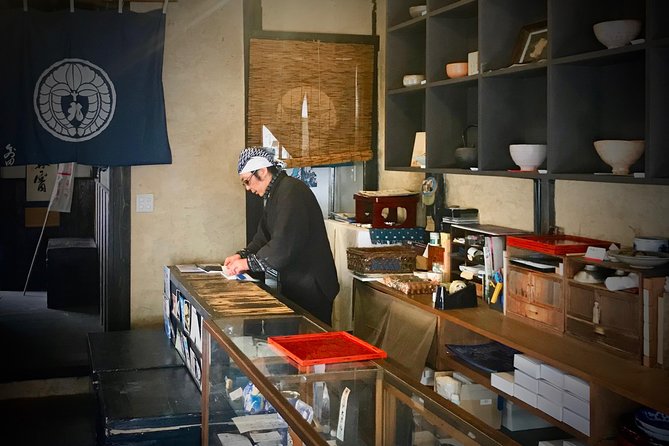
After the oyaki stop, you walk along the high street toward Zenkoji Temple. This part gives you time to browse Nagano products and consider souvenirs while approaching one of the city’s main sights.
Zenkoji is described here as a national treasure with a history reaching back 1,400 years. The tour does not simply point at the temple gate and move on. Your guide explains local customs, religious traditions, and the place Zenkoji holds in Nagano’s identity.
The exact amount of time at the temple depends on the group, so this is not the right choice if you want a long, independent temple visit or a detailed architectural tour. It is better suited to someone who wants the temple placed in a wider town-and-food setting.
That balance is one of the tour’s strengths. You see the major landmark, but you also see the streets that support it. Shops, neighborhood life, and temple visitors all form part of the experience.
A different set of gates, same trip:
- Kyoto: Tea Ceremony Ju-An at Jotokuji Temple
★ 4.9 · 3,207 reviews - Osaka/Kyoto:Kinkakuji,Arashiyama,FushimiInariShrine,NaraPark
★ 4.1 · 1,596 reviews - Nikko: Kegon Falls, Lake Chuzenji & Toshogu Temple
★ 4.6 · 1,577 reviews - Tokyo: Nikko Toshogu Shrine and Kegon Waterfall Tour
★ 4.5 · 1,266 reviews
Sake, local nibbles, and Nagano miso soup
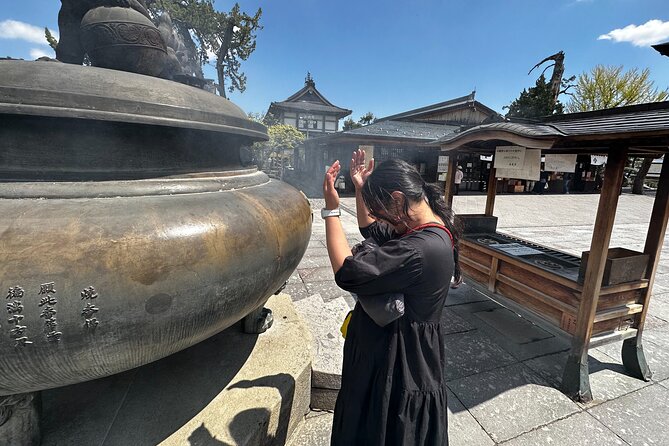
The sake tasting adds another local flavor. You sample several varieties of sake with small nibbles such as soy sauce beans and Japanese pickles. Nagano miso soup is also included.
This stop is a good fit for curious drinkers who want comparison rather than one token sip. The accompaniments help explain how sake is enjoyed with simple salty foods, while miso soup brings in another familiar part of Japanese home cooking.
The legal drinking age for this experience is 20. If you are under 20, the company offers another drink instead. That makes the tasting workable for mixed-age groups, though the tour is still built around food and drink, not a full lunch or sake education course.
Extra drinks and food are not included. You can buy more if available, but the listed inclusions cover the planned tasting. Pace yourself, especially if you have a full afternoon of sightseeing after the walk.
Back streets, shrines, and everyday Nagano
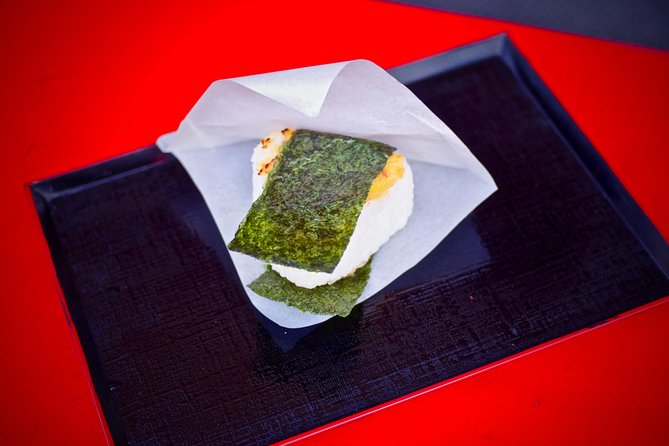
One of the most worthwhile sections comes after the main street, when the route turns into back streets. You may see local shrines, small businesses, and residential parts of Nagano that are easy to skip when following a standard sightseeing route.
This is where a local guide earns the fee. The streets may not look dramatic at first glance, but the guide can point out details and explain how the temple town works. You get a look at Nagano beyond its headline attraction.
The experience is not a strenuous hike, but it does require steady walking. The operator recommends walking shoes and a moderate fitness level. There is no transportation during the tour, and you pay your own way to the station meeting point.
The pace is generally relaxed, according to the experience descriptions, but the itinerary includes several food stops, a temple area, a high street, and side lanes in only three hours. If you like lingering over every photograph, you may find the schedule brisk.
Matcha and sweets in a Japanese-style room
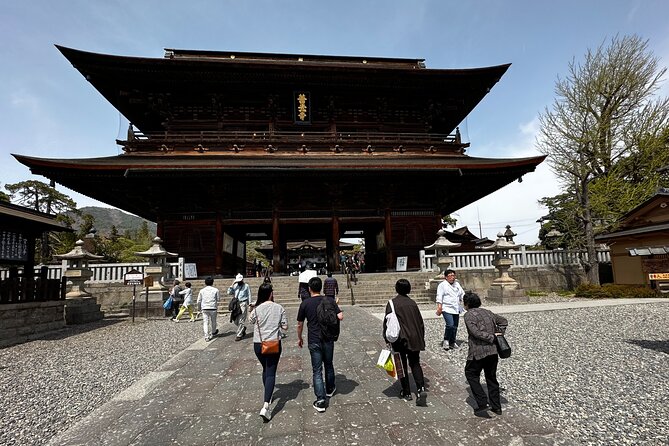
The matcha stop changes the rhythm of the tour. You sit in a Japanese-style room, drink matcha, and have a Japanese sweet. After walking outdoors and tasting savory food, this quieter pause gives the experience a proper finish.
Matcha can be bitter and unfamiliar if you usually drink sweet tea. The accompanying sweet helps balance it, and the setting provides a simple introduction to Japanese tea customs without requiring a formal ceremony.
The experience includes matcha tea and sweets, but not an extended tea lesson. You should see it as a cultural tasting in a traditional room rather than a full tea-school session.
A final visit to a local shop on a back street may follow. This is a chance to see Nagano products and decide what you might want to buy later. The precise timing depends on the group, so the order or length of the final stop may vary.
What the photographs add
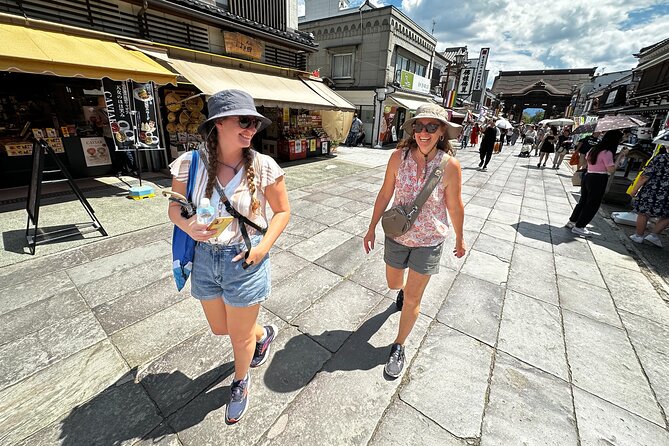
High-quality photographs are included and shared after the experience. This is more useful than it may sound. Food tours often leave you choosing between taking pictures and paying attention, especially when a guide is explaining a temple ritual or a shopkeeper is preparing food.
Masa is praised for taking candid photographs, allowing you to enjoy the walk without constantly holding up your phone. The photographs also record the smaller moments: the oyaki stop, the temple streets, the matcha setting, and your time with the guide.
The images should be treated as a welcome extra, not the main reason to book. The real value comes from access to local food and context. Still, for couples and families, the photographs can be a meaningful souvenir.
The price and who gets good value
At $91.15 per person, this is not a cheap snack walk. You are paying for about three hours of guiding, two oyaki, matcha and sweets, sake tasting, miso soup, local nibbles, access to small shops, and photographs.
The value depends on how you use the guide. If you only want to see Zenkoji and buy a snack, you can spend less by exploring independently. If you want someone to connect the food, temple town, religious customs, and quiet streets in clear English, the price is easier to justify.
The tour is particularly good value early in your Nagano stay. You can use the orientation to choose where to return, what local food to seek out, and how much time to allow around Zenkoji. It also works well during a short stopover, since the route begins and ends at the station.
The booking pattern, averaging 46 days in advance, suggests that you should not leave popular dates until the last minute. Still, one solo booking has operated as a private experience, and the company invites solo visitors to check availability before booking.
Who should book this Zenkoji food walk
I would recommend this experience to you if you want:
- A first introduction to Nagano’s food and temple district
- A guide who can explain local customs in English
- Small shops and back streets rather than only major sights
- A light meal made from several tastings
- A relaxed cultural activity for a family or couple
- Photographs from the day without managing the camera yourself
You may want a different plan if you need gluten-free food, dislike walking, want a full meal, or prefer to spend most of your time inside Zenkoji. The route is also less suitable if you want a highly formal sake tasting or a long tea ceremony.
The weather matters because the experience requires good conditions. If poor weather forces cancellation, you are offered another date or a full refund. You can also cancel up to 24 hours before the start for a full refund, while later cancellations and changes are not accepted.
Should you book it?
Book this tour if you want Nagano explained through its everyday food, temple streets, and local people. The strongest reasons are the traditional oyaki setting, the quiet back-street route, the mix of sake and matcha, and guides such as Masa and Kasumi who make the history approachable.
Skip it if your priority is a long, independent visit to Zenkoji or a substantial meal. For most first-time visitors with three free hours, though, this is a smart way to get your bearings, taste specialties you might otherwise miss, and leave with a better sense of Nagano than a temple visit alone can provide.
FAQ
How long does the Food and Cultural Walking Tour last?
The tour lasts approximately three hours. The final timing can depend on the group.
Where does the tour meet?
It meets in front of Starbucks Coffee at MIDORI Nagano, 1-chome-22-6 Minamichitose, near Nagano Station.
Where does the tour end?
The tour ends back at the same meeting point near Nagano Station.
What food and drinks are included?
The experience includes two oyaki, matcha tea and sweets, sake tasting, small nibbles such as soy sauce beans and Japanese pickles, and Nagano miso soup.
Is the sake tasting available to people under 20?
The minimum alcohol drinking age is 20. An alternative drink is offered to anyone under 20.
Is this tour suitable for a gluten-free diet?
No. The tour is not suitable for people who need gluten-free food.
How large is the group?
The maximum group size is 15 people. The tour generally requires at least two participants, and solo visitors should contact the company before booking to confirm availability.
What should I wear?
Walking shoes are recommended, and you should have a moderate level of physical fitness.
Can I cancel for a full refund?
You can cancel at least 24 hours before the start time for a full refund. The experience may also be rescheduled or refunded if poor weather or an insufficient number of participants causes cancellation.
More temple and food outings in Japan
- Bangkok: Markets, Temples and Food Night Tour by Tuk Tuk
★ 4.9 · 2,371 reviews - Seoul: Palace, Temple and Market Guided Foodie Tour at Night
★ 4.9 · 750 reviews - Bangkok: Tuk Tuk Adventure Chinatown Michelin Food & Temples
★ 4.3 · 725 reviews - Old Delhi Food-Spice Market-Temples Tour Soon Featured on NETFLIX
★ 5.0 · 304 reviews
More temple trips with food stops in Japan
- 1-Day Snow Monkeys, Zenko-ji Temple & Sake in Nagano
★ 5.0 · 1,020 reviews - Arashiyama Bamboo, Temple, Monkeys, or Secret Sake Brewery
★ 4.8 · 886 reviews - Nagano: Snow Monkeys, Zenkoji Temple & Sake Day Trip
★ 4.9 · 833 reviews - Bangkok by Night: Temples, Markets and Food Tuk-Tuk Tour
★ 5.0 · 3,752 reviews
Newly written up around Japan
- Kyoto: Fushimi Inari Taisha Shrine Walking Tour with Guide★ 4.8 · 18 reviews
- Kyoto: Fushimi Inari Shrine Walking Tour★ 5.0 · 72 reviews
- Tokyo History: Sensoji Temple & Asakusa District Private Tour★ 5.0 · 28 reviews
- Tokyo Private Tour: Temples, Culture & Modern City Highlights★ 5.0 · 56 reviews
- From Tokyo: Snow Monkey Park & Zenko-ji Temple Private Tour★ 4.9 · 42 reviews
- Osaka Temple Cool Foot Bath & Matcha Experience〈45min〉★ 4.9 · 82 reviews
- Nagano/Tokyo: Snow Monkey and Zenkoji Temple Private Tour★ 4.8 · 54 reviews
- Nara: Great Buddha, Kasuga Shrine & Deer Park Tour★ 4.8 · 62 reviews
Temple Walking Tours, compared.
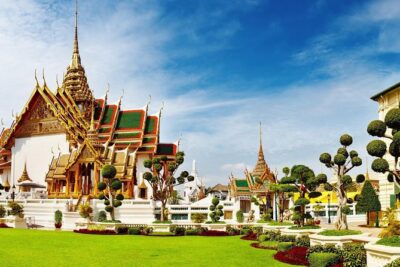
City Highlights Temple and Market Walking Tour
Read our review →
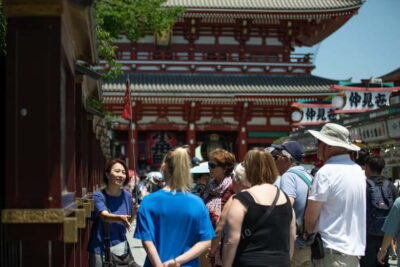
Asakusa Walking Tour with Sensoji Temple Visit
Read our review →
3 Hour Old City and Temples Guided Walking Tour
Read our review →
Belém Walking Tour with Jerónimos Monastery Ticket
Read our review →
Asakusa Senso-ji Temple and Old Tokyo Walking Tour
Read our review →Belem Walking Tour with Jeronimos Monastery Ticket
Read our review →Browse the lists this tour appears in