
Reviewed · JAPAN TEMPLE TOURS
Fukuoka: Nanzoin Temple and Reclining Buddha Guided Tour
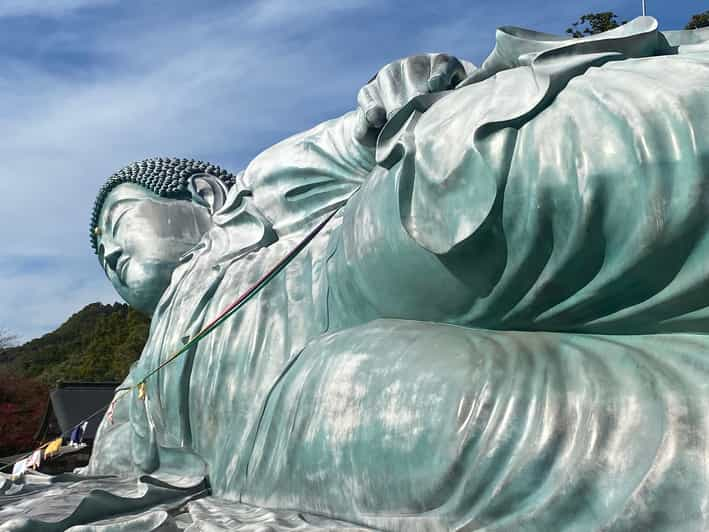
Nanzoin Temple gives you one of Kyushu’s most memorable sights: a huge reclining Buddha set among wooded temple grounds outside Fukuoka. The statue is not just a photo stop. You can study its detailed surface, enter its interior, and then follow a quieter route to Fudo Myo-o, Okunoin, a waterfall, and rows of Mizuko Jizo statues.
I like two things here. First, the guide helps you handle temple customs, from washing your hands to bowing and praying. Second, the private format lets the visit feel calmer and more personal than a large coach tour. The catch is value: the $65 price makes sense mainly if you want interpretation and help with the visit, since the temple itself does not charge a general entrance fee and the train arrangement depends on your chosen meeting point.
Key points to know before you book
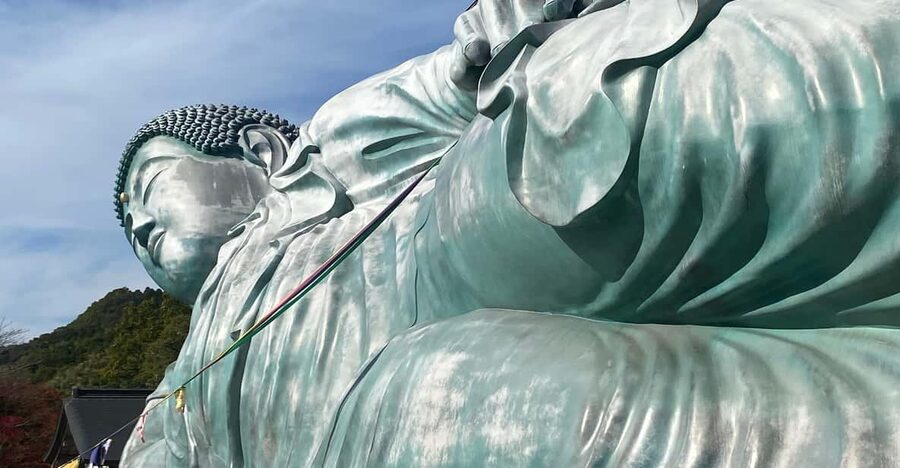
- The reclining Buddha is the main event: Nanzoin’s Nehanzō is one of the largest reclining Buddha statues in the world, with a striking setting and the option to explore inside.
- Hakata pickup includes the train fare: If you meet at JR Hakata Station, the tour includes the train fee to and from JR Kidonanzoinmae Station.
- The station option costs less to reach: Meeting at JR Kidonanzoinmae Station does not include your transportation to or from the temple area.
- The route includes more than the Buddha: You also visit Fudo Myo-o, Okunoin, an on-site waterfall, and Mizuko Jizo statues.
- Guide quality matters: Chiyako, Erika, and Morry received especially warm praise for clear explanations, local knowledge, and friendly company, though one review found the English less polished.
- Expect uneven walking: This is not suitable for wheelchair users or people with mobility impairments, and comfortable shoes are essential.
Why the reclining Buddha is worth the trip from Fukuoka
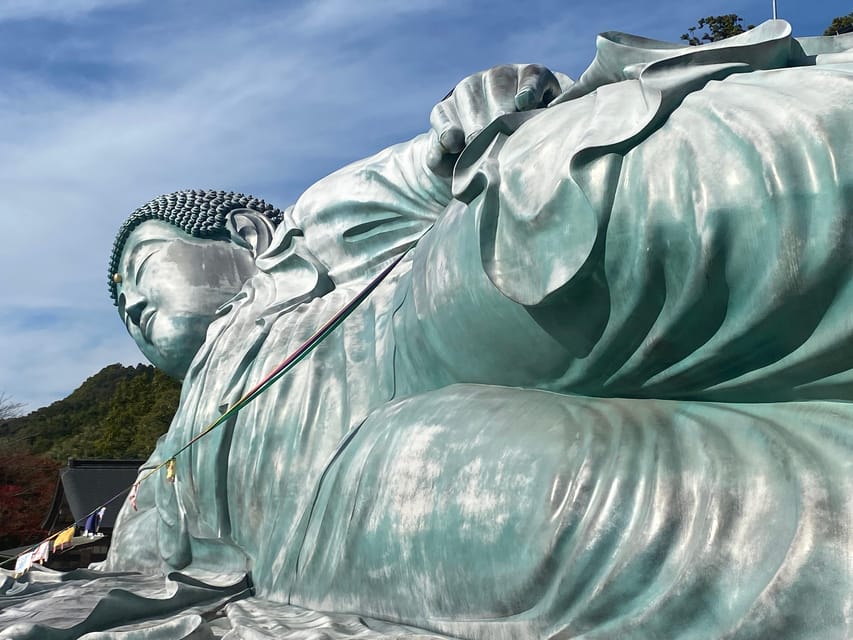
Nanzoin’s reclining Buddha, called Nehanzō, is the clear reason to make the journey. Rather than depicting the Buddha seated in meditation, the statue shows him reclining, a traditional image connected with the Buddha’s final passage into death and release.
The scale is what catches you first. Then the smaller details begin to register: the shape of the face, the robes, and the long horizontal form that makes the statue different from the standing and seated Buddha images you are more likely to see in Japan. You can take photographs, but the setting also encourages you to slow down and look carefully.
The tour includes admission to the reclining Buddha. One important point is that the broader temple grounds do not have a general entrance charge, so do not assume the full $65 is paying for a conventional temple admission ticket. Part of the price covers the guided service, and the train fare is included only when you select the Hakata Station meeting option.
You can also explore the interior of the Buddha. That adds a more unusual element to the visit, since you are not only viewing the statue from outside. Treat this as a quiet spiritual space rather than a quick photo opportunity, and follow any directions given by your guide.
Other temple visits near Japan we have written up
- Kyoto: Tea Ceremony Ju-An at Jotokuji Temple
★ 4.9 · 3,207 reviews - Osaka/Kyoto:Kinkakuji,Arashiyama,FushimiInariShrine,NaraPark
★ 4.1 · 1,596 reviews - Tokyo: Asakusa Walking Tour with Sensoji Temple Visit
★ 4.8 · 1,583 reviews
From Hakata Station to JR Kidonanzoinmae
You have two ways to begin. The more convenient option starts at the Fukuoka City Tourist Information Center at Hakata Station. From there, the tour uses the train for about 25 minutes to JR Kidonanzoinmae Station, with the return train taking roughly the same time.
That makes the Hakata option practical if you are already staying near central Fukuoka or planning a day around Hakata Station. You do not need to work out the train fare for this option, as transportation to and from JR Kidonanzoinmae Station is included.
The other option begins at JR Kidonanzoinmae Station, the stop closest to the temple. This can be a better value if you are already in the area, but you must pay for your own transportation to and from the station. Check the exact meeting point when booking, since it changes with the option selected.
The train ride is not the whole experience, but it gives you a clean break from the city. The journey takes about 25 minutes each way, while the temple visit itself lasts about an hour and a half. Depending on the departure time and meeting option, the total activity is listed as lasting from two hours to 210 minutes.
The main hall and the first temple views
Once inside the temple grounds, the route begins at the entrance and continues toward the main hall. This opening section helps you shift gears from transport and city plans to a quieter religious setting.
The main hall is a good place to pause for the architecture and the views. You will get more from it if your guide explains what you are seeing rather than simply pointing out the next stop. The tour is designed to provide that context, including guidance on basic temple behavior.
Morry, one of the guides praised in the feedback, explained Shingon Buddhist practices and showed his group how to wash their hands, bow, and pray correctly. Those small instructions are useful. Japanese temple customs can feel simple once you understand them, but it is easy to rush through them or copy other people without knowing what you are doing.
Morry also brought local Fukuoka conversation into the visit, including information about Hakata and the city’s food stalls. He is described as a magician who shared tricks during the tour, so his approach appears more personal and playful than a strict lecture. That kind of extra interaction can be valuable in a private group, especially if you want more than a fixed list of facts.
Fudo Myo-o and the meaning behind the statues
After the reclining Buddha, the route turns to other sacred places in the grounds. Fudo Myo-o is one of the most important stops. This fierce Buddhist figure is traditionally associated with strength and protection, and the statue creates a different mood from the calm, resting Buddha.
The value of having a guide is strongest here. Without explanation, you can appreciate the form and atmosphere, but it may be difficult to understand why one statue looks peaceful and another appears forceful. Ask your guide how Fudo Myo-o fits into the temple’s Buddhist traditions, and ask for help with respectful behavior around the statue.
The Okunoin sanctuary adds another quiet stop. The name refers to an inner or more secluded sanctuary, and the route gives you a chance to see a less obvious part of the temple grounds. This is where the tour feels less like a single-attraction visit and more like a walk through a working religious site.
You should keep your camera ready, but do not let photography take over. Flash photography is not allowed, and you should be mindful of people who are praying. The temple is a sacred place, not simply an open-air museum.
A different set of gates, same trip:
- Nikko: Kegon Falls, Lake Chuzenji & Toshogu Temple
★ 4.6 · 1,577 reviews - Tokyo: Nikko Toshogu Shrine and Kegon Waterfall Tour
★ 4.5 · 1,266 reviews - Tokyo Panoramic 1 Day: Meiji Shrine, Asakusa, Odaiba and SKYTREE®
★ 4.5 · 1,222 reviews - 1-Day Snow Monkeys, Zenko-ji Temple & Sake in Nagano
★ 5.0 · 1,020 reviews
The waterfall and the quieter return route
A waterfall inside the temple grounds provides one of the tour’s most peaceful moments. It gives the walk a natural pause after the large Buddha and the more imposing religious statues.
The supplied details do not indicate the waterfall’s size or whether you can approach the water closely, so expect a scenic stop rather than a separate attraction with a long visit. Your guide can help you understand where to stand and when photography is appropriate.
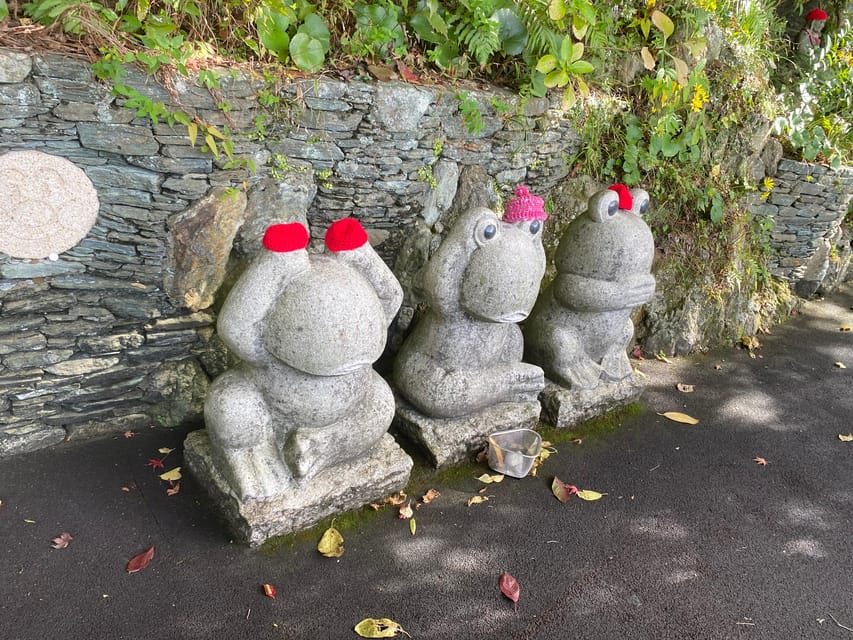
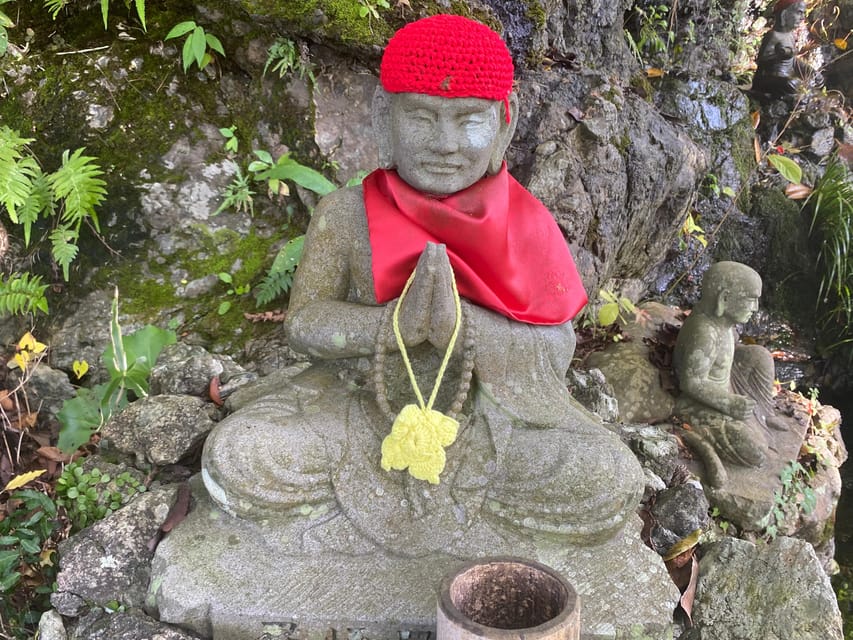
On the return route, you pass rows of Mizuko Jizo statues. These figures are dedicated to the protection of children and carry serious emotional meaning for many families. Seeing many statues together can be moving, but it is also a reminder to behave gently and avoid treating the area as a novelty.
This final section gives the tour a reflective ending. You have seen the largest object on the grounds, but the smaller statues may be the part you remember later. The contrast between the Buddha’s grand scale and the intimate purpose of the Jizo figures gives the visit more depth.
What the private guide adds to a short visit
The tour is a private group experience, which means you are not placed in a large shared party. The exact maximum group size is not provided, so do not book it assuming a particular number of people. Still, a private format should make it easier to ask questions and set a comfortable pace within the fixed route.
Several guides received strong praise. Chiyako was singled out for making the visit both interesting and enjoyable, with clear explanations and a warm manner. Erika was also praised for her friendly style and understanding of the temple grounds. Morry’s explanations of Shingon Buddhism and local Fukuoka life made the visit more personal.
The feedback is not uniformly perfect. One person felt the guide’s English should improve, while another found the information too basic for the amount paid. That is fair criticism to keep in mind. Guide quality can shape the experience, and the tour may feel expensive if your guide gives only general facts you could have found online.
For that reason, I would use the first few minutes to tell your guide what interests you. Ask for more detail about the reclining Buddha, Buddhist customs, Fudo Myo-o, or the meaning of the Mizuko Jizo statues. A private tour gives you a better chance to shape the conversation.
Is $65 a fair price for Nanzoin?
At $65 per person, this is not the cheapest way to see Nanzoin. The temple grounds do not charge a general entrance fee, and you can visit without buying this guided experience. The paid reclining Buddha admission is included, but that alone does not explain the full cost.
The value rests in three areas:
- A guide who explains the religious details and local context
- Help with the train journey if you choose the Hakata Station option
- Admission to the reclining Buddha and access to its interior
The Hakata option is easier to justify because your train fare to and from JR Kidonanzoinmae Station is included. The station option may be less attractive financially if you still need to arrange and pay for your own transportation.
One family paid about $120 per person for a larger booking and felt the experience was not worth the cost, especially after paying separately for train tickets and finding no general temple admission fee. That complaint points to an important comparison: if you are comfortable arranging the train, reading basic temple guidance, and exploring independently, a do-it-yourself visit will cost less.
I would consider the tour fair value for someone who wants a private guide and cultural explanation, especially from Hakata. I would be more cautious if you mainly want a photograph of the Buddha and do not care about Buddhist customs or the other sites.
Walking, clothing, and practical limits
Wear comfortable shoes. The grounds can be uneven, and the route includes enough walking that thin sandals or poor footwear could become annoying. Bring water, especially if you are visiting in warm weather.
The experience is not suitable for wheelchair users or people with mobility impairments. The information does not provide a detailed accessibility assessment, so you should not assume that every path, approach, or stop is easy to navigate.
Photography is allowed, but flash photography is prohibited. Respect worshippers and sacred areas, and do not litter or smoke. These rules are basic, but following them matters more here than at a standard sightseeing stop.
The tour is offered in Japanese and English. If your English needs are specific, it is sensible to ask questions early and let the guide know how much explanation you want. The mixed feedback on English suggests that communication may vary by guide.
The cancellation policy is forgiving: you can cancel up to 24 hours before the activity for a full refund. You can also reserve and pay later, which helps if your Fukuoka schedule is still changing.
Who should book this Nanzoin visit?
I would recommend this tour to you if you are staying near Hakata, want a short half-day outing, and prefer someone else to explain what you are seeing. It is especially useful if temple customs feel unfamiliar or if you want to ask questions without holding up a larger group.
Families with older children may also like the unusual scale of the reclining Buddha and the train ride. However, the walking and uneven ground make this a poor choice for anyone with mobility limitations.
I would skip the tour if your only goal is to see the Buddha as cheaply as possible. Nanzoin can be visited independently, and the general temple grounds do not require an entrance ticket. You can put the savings toward another Fukuoka activity and handle the train yourself.
FAQ
How much does the Nanzoin Temple tour cost?
The listed price is $65 per person. The tour includes a guided visit, admission to the reclining Buddha, and train transportation to and from JR Kidonanzoinmae Station when you choose the Hakata Station meeting option.
Where can I meet the guide?
You can choose between JR Kidonanzoinmae Station and the Fukuoka City Tourist Information Center at Hakata Station. The exact meeting point depends on the option you book.
Is train transportation included?
Train transportation is included only when you meet at JR Hakata Station. If you meet at JR Kidonanzoinmae Station, transportation to and from that station is not included.
How long does the experience last?
The listed duration ranges from two hours to 210 minutes. The train journey takes about 25 minutes each way, and the guided visit at Nanzoin Temple lasts about one and a half hours.
What languages are available?
The tour is offered with a live guide in English or Japanese.
Can wheelchair users join?
No. The experience is not suitable for wheelchair users or people with mobility impairments. The temple grounds can also be uneven.
Can I cancel the booking?
Yes. You can cancel up to 24 hours in advance for a full refund. The activity also offers a reserve-now, pay-later option.
Should you book it?
Book this tour if you want the meaning behind Nanzoin, not just the biggest photograph. The reclining Buddha is impressive, but the guide’s help with prayer customs, Fudo Myo-o, Okunoin, the waterfall, and Mizuko Jizo statues gives the visit a fuller shape.
Choose the Hakata Station option if convenience matters and you want the train fare included. If you are budget-minded, meet at JR Kidonanzoinmae Station only if you have already planned your transportation. For an independent visitor focused on low cost, skip the tour. For someone who values a private guide and a calm, culturally informed visit, $65 can be reasonable, provided your guide gives the thoughtful interpretation this place deserves.
Newly written up around Japan
- From Asakusa: Old Tokyo, Temples, Gardens and Pop Culture★ 5.0 · 47 reviews
- Goshuin Collecting tour at Asakusa Local Temples & Shrines, Tokyo★ 5.0 · 8 reviews
- Private guided tour: Mt. Aso volcano, grasslands, Aso Shrine★ 5.0 · 19 reviews
- Takayama Inari Shrine Tour with Private Transportation★ 5.0 · 5 reviews
- Tokyo: Snow Monkey and Zenkoji Temple Day Trip In Low Price★ 5.0 · 5 reviews
- Tokyo: Gotokuji Culture Walk & Lucky Cat Temple Experience★ 4.9 · 5 reviews
- :Tokyo,Shibuya /Meiji Shrine tour in KIMONO/English-friendly★ 5.0 · 4 reviews
- Tokyo War History Tour: Yasukuni Shrine & War Museum★ 4.5 · 6 reviews
Japan Temple Tours, compared.
Osaka/Kyoto:Kinkakuji,Arashiyama,FushimiInariShrine,NaraPark
Read our review →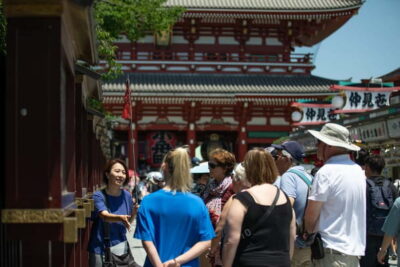
Asakusa Walking Tour with Sensoji Temple Visit
Read our review →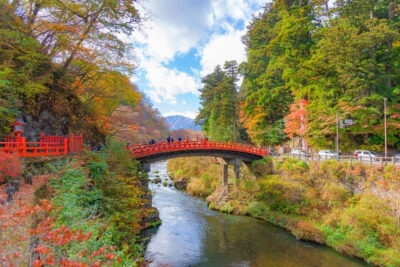
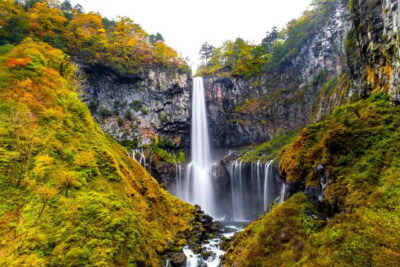
Nikko Toshogu Shrine and Kegon Waterfall Tour
Read our review →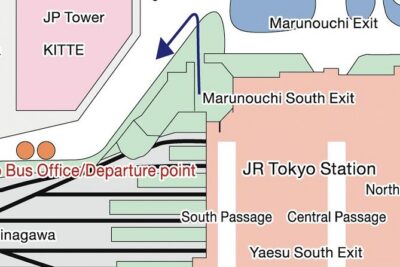
Tokyo Panoramic 1 Day: Meiji Shrine, Asakusa, Odaiba and SKYTREE®
Read our review →
1-Day Snow Monkeys, Zenko-ji Temple & Sake in Nagano
Read our review →
Arashiyama Bamboo, Temple, Monkeys, or Secret Sake Brewery
Read our review →Browse the lists this tour appears in