

Reviewed · MEIJI SHRINE & SENSO-JI TOURS
Join a Unique Cultural Ceremony at Tokyo’s Meiji Shrine
The heart of this Meiji Shrine experience is the gokito prayer ceremony, a formal Shinto ritual that most people walking through the shrine never see. You follow a forest path, enter a wooden hall with high ceilings and polished floors, and sit quietly as priests chant and perform the ceremony with flutes and drums.
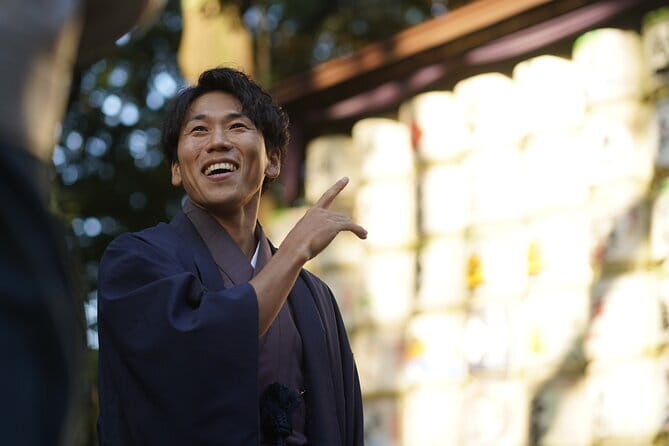
I like two things right away: the tour gives you a calm introduction to Tokyo before the city wears you out, and it explains customs you would otherwise miss. Guides such as Alex and Kohei use clear English and personal insight, making the ritual easier to understand without turning it into a lecture. The main consideration is the price, $121 per person, which is a lot for a shrine walk if you only want sightseeing.
The visit also involves plenty of walking, and the ceremony asks you to be quiet and respectful. If you want a quick photo stop, this is not the best fit. If you want to pause, listen, and get more from Japan’s shrines later in your trip, it can be a fine start.
Key points to know before you book
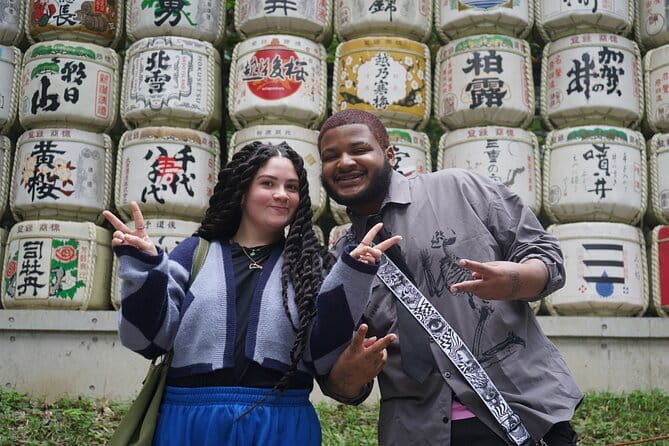
- A rare look at gokito: The tour includes a traditional Shinto prayer ceremony that ordinary shrine visitors generally do not attend.
- A forest walk in central Tokyo: Meiji Shrine’s broad woodland paths offer a quiet break from the city without leaving Tokyo.
- Guides who connect the customs to everyday life: Alex and Kohei are among the named guides, and the tour is offered in English and Japanese.
- A sensory experience: Expect the scent of cypress, priestly chants, flutes, drums, polished wood, and a hushed ceremonial room.
- A thoughtful first-day activity: The pace is calm and reflective, making it useful for learning basic shrine etiquette before visiting Kyoto or other sacred sites.
- Bring cash and good shoes: Offerings and purchases are extra, and the grounds require substantial walking.
Why the gokito ceremony is the real reason to go
Meiji Shrine is easy to visit on your own. You can walk under the large torii gates, follow the wooded approach, and reach the main shrine without paying for a guide. That self-guided visit gives you the setting, but not necessarily the meaning.
This tour adds access to a formal gokito prayer service. Inside the wooden hall, priests in traditional robes carry out an ancient prayer while chants and instruments fill the room. You do not need to understand every word. The value comes from sitting still and watching a ceremony that is usually outside the normal sightseeing route.
I like that the experience does not treat the ritual as a show. The tone is quiet, and your role is to observe with care. The ceremony may feel moving because of its sound and setting, but you are not asked to adopt a belief or pretend to understand more than you do.
That distinction matters. This is a cultural experience with a religious setting, not a theatrical performance. You should be comfortable with silence, formal behavior, and the idea that some parts of the ritual will remain unfamiliar.
More Meiji Shrine and Senso-ji Tours in Tokyo:
- Tokyo: Asakusa Walking Tour with Sensoji Temple Visit
★ 4.8 · 1,583 reviews - Tokyo Panoramic 1 Day: Meiji Shrine, Asakusa, Odaiba and SKYTREE®
★ 4.5 · 1,222 reviews - Tokyo: Asakusa and Tokyo’s Oldest Temple Senso-ji Tour
★ 4.9 · 352 reviews
Meeting at Yoyogi Station and entering the forest
You meet at JR Yoyogi Station, outside the West Gate, near the map. A staff member in Japanese-style clothing waits there. This is a practical meeting point, but allow enough time to find the correct exit, especially if you are still getting used to Tokyo’s stations.
From there, the walk leads toward Meiji Jingu’s wooded grounds. The contrast is one of the tour’s pleasures. Tokyo can feel crowded and noisy, yet the shrine’s forest paths encourage you to slow your pace and notice the sounds around you.
The walk is not just a transfer from the station to the ceremony. Your guide uses the setting to explain how the shrine works and how people approach a Shinto sacred space. You will get more from the visit if you pay attention to the small actions, such as how people pass through the shrine grounds and how they prepare to pray.
Meiji Shrine requires a lot of walking. Wear comfortable shoes and bring water or another drink. Wheelchairs and prams are available, but the activity may not suit anyone who has difficulty walking.
What your guide adds to an otherwise easy shrine visit
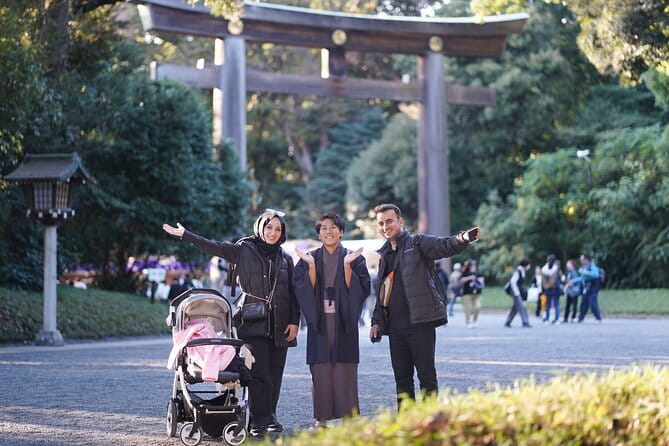
The guide is the main difference between this tour and a casual stroll through Meiji Shrine. Alex has been praised for fluent English, engaging slides, and a friendly manner. Kohei is known for thoughtful explanations that give the ceremony and the shrine more meaning.
The guides also bring an outside perspective. The experience is led by someone with official Meiji Jingu membership, and the guide’s time living abroad helps connect Japanese customs to questions that an international visitor may have. That can be useful when a practice seems simple on the surface but has a larger place in Japanese life.
You should expect explanations rather than a long academic talk. The strongest part of the guiding is the way it prepares you to notice what is happening. Afterward, the customs you see at other shrines may make more sense because you have already had someone explain the basic ideas.
This is especially helpful if you plan to visit Kyoto soon. One person who took the tour said the ritual knowledge made later shrine visits more rewarding. That is a fair measure of the experience’s value: it gives you a set of cultural reference points you can use beyond Meiji Shrine.
The wooden hall, sounds, and scent of cypress
The ceremony takes place in a wooden hall with high ceilings and polished floors. The space itself does much of the work. You leave the forest path and enter an orderly, carefully maintained room where every sound carries.
The scent of cypress is part of the experience, along with the quiet gleam of the wood. Priests in traditional robes perform the prayer, and chants are joined by flutes and drums. You may not know what the words mean, but the rhythm and setting make the service easy to follow as an act of observation.
This is a good example of why the tour is more than a list of facts. You hear the music, smell the timber, feel the change in pace, and watch the ceremony unfold. The experience works through several senses at once, which can make it more memorable than a standard explanation at the shrine entrance.
Photography and recording require care. Audio recording is not allowed, so keep your phone put away during the ritual and follow your guide’s instructions about photography. A professional photographer has been part of at least some versions of the experience, so ask your guide what is permitted on your date rather than assuming you can document everything yourself.
Other temple visits near Tokyo we have written up
- Nikko: Kegon Falls, Lake Chuzenji & Toshogu Temple
★ 4.6 · 1,577 reviews - Tokyo: Nikko Toshogu Shrine and Kegon Waterfall Tour
★ 4.5 · 1,266 reviews - Tokyo: Zen Meditation at a Private Temple with a Monk
★ 5.0 · 510 reviews - Mt. Fuji Heritage Tour: Traditional Villages, Lakes & Shrine
★ 4.5 · 509 reviews
Customs you can use at other shrines

The tour is most useful when it explains what to do, not just what to look at. Shinto shrines have their own atmosphere and manners, and a guide can help you avoid treating the place like a themed attraction.
You will learn through the visit itself, then have a chance to carry that understanding to other shrines. The point is not to memorize a large number of rules. It is to recognize that the approach, the prayer area, and the ceremony each have a purpose.
That preparation can improve the rest of your Japan trip. Once you have seen a formal prayer service, smaller shrine rituals may be easier to recognize. You may also feel more comfortable pausing quietly instead of rushing in, taking a photo, and leaving.
The tour is a particularly good choice for a first or second visit to Japan. It gives you cultural context early, before a long series of temples and shrines begins to blur together.
The walk, snack, dance, and extra touches
The main advertised elements are the forest walk and the gokito ceremony, but the experience can include additional cultural touches. One version included a traditional Japanese dance and a snack at the end. The snack came with an explanation and even a recipe, which turned a small refreshment into another way to learn about daily culture.
Because the exact presentation can vary, I would not book this solely for the snack or dance. Think of those as possible bonuses rather than the central promise. The ceremony and guided walk are the reasons to choose this activity.
If a snack is served, it gives you a relaxed moment to ask questions after the formal part of the visit. That change of mood can be welcome. The ceremony asks you to listen and observe; the closing conversation lets you process what you have seen.
Is $121 a fair price?
At $121 per person, this is not a bargain shrine tour. You can enter Meiji Shrine without paying an admission fee, and independent visitors can walk through the grounds at no cost. The price makes sense only if the special access and guide are important to you.
The fee includes all taxes and the charge for taking part in the traditional prayer ritual. It does not include coins for the offering box or money for shrine goods, so carry cash. Those extras are small, but they are worth planning for because card payment should not be assumed.
I see the price as paying for three things: the English-language explanation, the organized cultural access, and the chance to attend a ceremony that is not part of a normal walk through the shrine. If you already know Shinto customs and only want photographs of Meiji Shrine, save your money and go independently.
If you are new to Japan, the value is stronger. A good guide can help you understand several later shrine visits, not just this one. That makes the activity more useful than a single sightseeing stop, though the cost remains high for budget-conscious visitors.
Who should choose this Meiji Shrine experience?
I would recommend it to people who enjoy thoughtful cultural activities and want a gentle first day in Tokyo. It suits solo visitors, couples, and small groups who prefer explanation and atmosphere over a packed schedule.
It is also a good match for anyone who has already visited Meiji Shrine but only walked to the main shrine. The forest and buildings may be familiar, yet the ceremony offers a very different reason to return.
You may not enjoy it if you want a fast tour, constant movement, or a large number of attractions. The strength of the activity is its quiet focus, so the slow pace is part of the deal.
People with a cold should not take part. The tour also does not allow intoxication, alcohol, or drugs. Bring comfortable shoes, a drink, and cash, and expect to return to the same Yoyogi meeting point when the activity ends.
Booking, cancellation, and practical details
The tour is offered in English and Japanese. You can reserve and pay later, which helps if your Tokyo plans are still shifting. Cancellation is allowed up to 24 hours before the activity for a full refund.
The exact duration and group size are not specified, so check those details before booking if you need to fit the experience around a train reservation or another timed activity. Since the visit includes a ceremony, arrive at the meeting point on time rather than treating it like a flexible walk-in attraction.
Bring only what you need. Comfortable footwear matters more than stylish shoes, and cash is useful for the offering box and shrine purchases. Audio recording is prohibited, so plan to experience the ceremony without trying to capture its sound.
Should you book it?
Book this tour if you want access and understanding, not just an attractive shrine setting. The gokito ceremony is the rare part, and Alex, Kohei, or another fluent guide can give you the context to appreciate it.
Skip it if you are content with a free, self-guided walk or if $121 feels too steep for one cultural activity. For first-time visitors who want a calm beginning to Japan and a better grasp of shrine customs, the cost can be justified. Go with comfortable shoes, an open mind, and enough time to sit quietly. That is where the experience earns its value.
FAQ
Where does the Meiji Shrine tour start?
The tour starts at JR Yoyogi Station. Meet outside the West Gate near the map.
How will I find the guide?
Legit Japan staff will wait near the meeting point wearing Japanese-style clothing.
Where does the activity end?
The activity ends back at the meeting point.
Is the prayer ceremony included in the price?
Yes. The fee for experiencing the traditional Japanese prayer ritual, along with all fees and taxes, is included.
Do I need to bring money?
Yes. Bring cash for coins placed in the offering box and for any shrine goods you may want to buy. Those costs are not included.
What should I wear or bring?
Wear comfortable shoes because Meiji Shrine requires considerable walking. Bring a drink and cash.
Can I record the ceremony?
No. Audio recording is not allowed.
Can I cancel for a refund?
Yes. You can cancel up to 24 hours in advance for a full refund.
Newly written up around Tokyo
- Tokyo: Snow Monkey and Zenkoji Temple Day Trip In Low Price★ 5.0 · 5 reviews
- Tokyo: Gotokuji Culture Walk & Lucky Cat Temple Experience★ 4.9 · 5 reviews
- :Tokyo,Shibuya /Meiji Shrine tour in KIMONO/English-friendly★ 5.0 · 4 reviews
- Tokyo: Sensoji Temple & Street Food: Private Tour with guide★ 4.6 · 8 reviews
- Tokyo: Visit 5 Shrines & Collect Goshuin on Private Tour★ 5.0 · 3 reviews
- Tokyo War History Tour: Yasukuni Shrine & War Museum★ 4.5 · 6 reviews
- Tokyo: Shibuya Sky, Harajuku & Meiji Shrine Highlights Tour★ 4.5 · 9 reviews
- Tokyo: Private Meiji Shrine & Harajuku Highlights Tour★ 4.5 · 4 reviews
Meiji Shrine & Senso-ji Tours, compared.
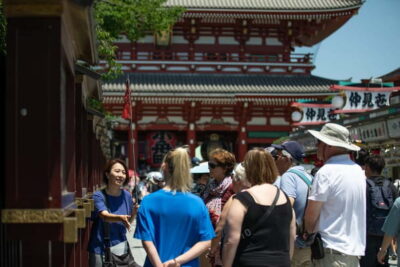
Asakusa Walking Tour with Sensoji Temple Visit
Read our review →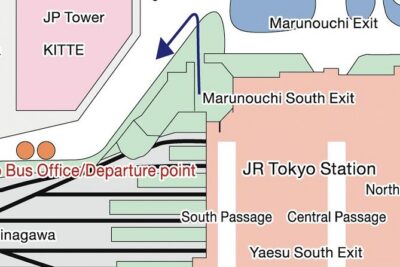
Tokyo Panoramic 1 Day: Meiji Shrine, Asakusa, Odaiba and SKYTREE®
Read our review →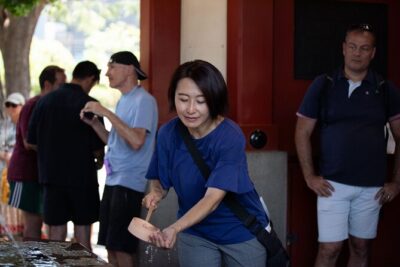
Asakusa Senso-ji Temple and Old Tokyo Walking Tour
Read our review →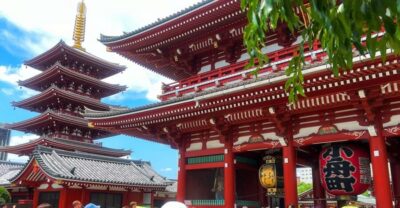
Asakusa and Tokyo’s Oldest Temple Senso-ji Tour
Read our review →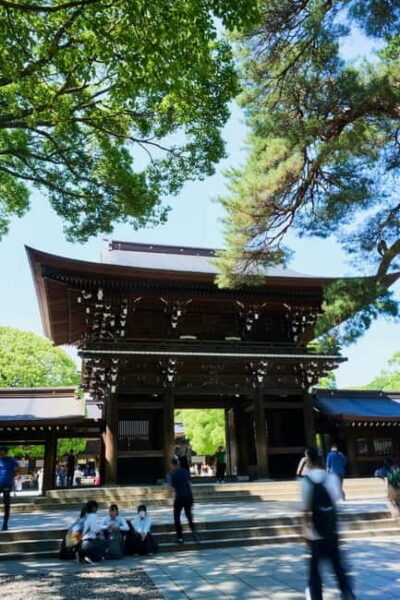
Meiji Shrine Walking Tour — Shinto & Imperial System
Read our review →
Meiji Jingu Shrine and Shinto Culture Walking Tour
Read our review →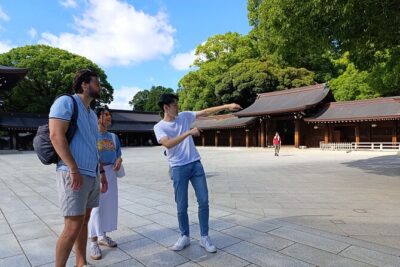
Meiji Shrine Walking Tour — Shintoism & Imperial System
Read our review →Browse the lists this tour appears in