
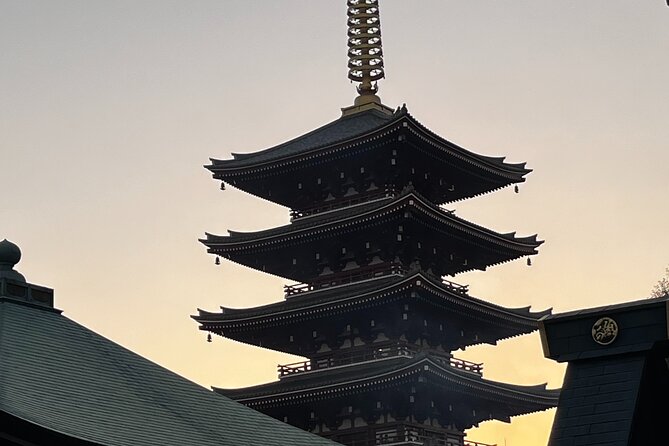
Reviewed · MEIJI SHRINE & SENSO-JI TOURS
Tokyo: Old Town Asakusa Guided Tour -Senso-ji Temple Visit
Senso-ji is the reason to book this walk. Tokyo can feel huge and hard to read, but Asakusa gives you a compact look at temple life, local tradition, and old Tokyo streets. I like the small group of no more than 10 and the simple route, which covers the Culture Tourist Information Center, Senso-ji, and Asakusa Shrine without eating up your whole day.
I also like that the guide explains what you are seeing instead of leaving you to wander through a famous site with no context. Guides named Nori, Mashito, and Mr. Hirashima have been praised for kindness and clear explanations. The main limitation is time: 90 minutes is enough for an introduction, but not a slow, detailed visit to every corner of the area.
Key points
- Senso-ji takes center stage: Spend about 40 minutes with a guide at Tokyo’s best-known Buddhist temple.
- Three useful stops: The route includes the Asakusa Culture Tourist Information Center, Senso-ji Temple, and Asakusa Shrine.
- A genuinely small group: The tour is limited to 10 participants, making it easier to hear and ask questions.
- English explanations: The tour is conducted in English, with temple explanations included.
- Easy station access: Meet at Burger King Asakusa Azumabashi, directly outside Asakusa Station Exit 4.
- Good for a first visit: The compact route gives you an organized introduction to Asakusa in 90 minutes.
Why Asakusa makes a good first Tokyo stop
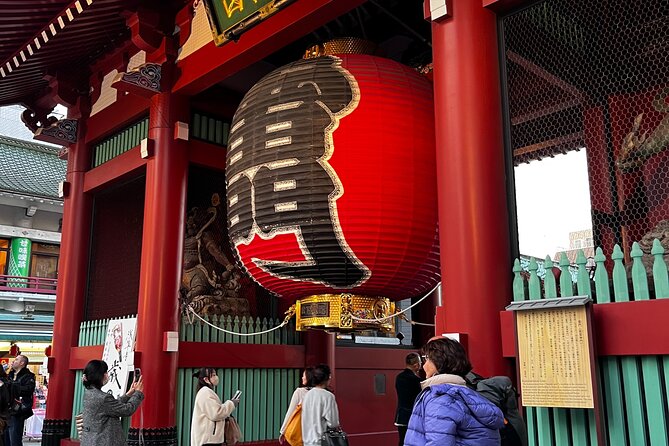
Asakusa is one of the easiest parts of Tokyo to understand on foot. The area brings together Senso-ji Temple, Asakusa Shrine, traditional religious customs, and the broad movement of a central Tokyo neighborhood. You do not need a full day to get a feel for it, which makes this tour useful early in a Japan trip.
I like Asakusa because the attractions sit close together. You are not spending most of the tour on trains or buses. After meeting near the station, you walk for about three minutes to the first stop, then continue on foot through the temple area.
That compact layout matters in Tokyo. A first visit can become a string of disconnected sights if you do not know how they fit together. Here, the guide provides a thread from the city’s old-town setting to the temple’s rituals and then to the nearby shrine.
The tour does not promise a large number of attractions. That is a strength. You get a focused look at one important part of Tokyo instead of rushing through half a dozen unrelated places.
More Meiji Shrine and Senso-ji Tours in Tokyo:
- Tokyo: Asakusa Walking Tour with Sensoji Temple Visit
★ 4.8 · 1,583 reviews - Tokyo Panoramic 1 Day: Meiji Shrine, Asakusa, Odaiba and SKYTREE®
★ 4.5 · 1,222 reviews - Tokyo: Asakusa and Tokyo’s Oldest Temple Senso-ji Tour
★ 4.9 · 352 reviews
Meeting at Asakusa Station Exit 4
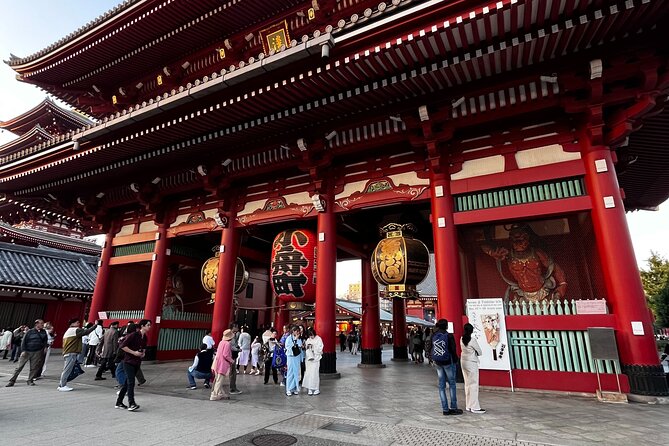
Your meeting point is Burger King Asakusa Azumabashi, directly outside Asakusa Station Exit 4. The directions specify the Asakusa Line, so check your route before setting out and allow a little time to find the correct exit in the station.
This is a practical meeting point because you do not have to search for a small side street or a distant hotel lobby. The listed coordinates are 35.710509, 139.7977387, which can help if you use a map app.
You should arrive ready to walk. The route is on foot, and the first transfer takes about three minutes. The provided details do not give a specific accessibility plan, so contact the operator in advance if stairs, walking distance, or mobility support matters to you.
The group limit of 10 is one of the better features here. A small group makes it easier to stay together near a busy temple and gives you a fair chance to hear the English explanations. It also lets you ask a quick question without holding up a large crowd.
The Culture Tourist Information Center in 15 minutes
The first stop is the Asakusa Culture Tourist Information Center, with about 15 minutes set aside for photos. From this point, you get an organized introduction to the Asakusa area before reaching the temple itself.
Because this is listed as a photo stop, do not expect a long indoor visit or a full presentation about every service in the building. Think of it as a useful orientation point. Your guide can help place the temple district in context, and you have time to take pictures before moving on.
Fifteen minutes passes quickly, especially if the group is taking photos. Keep your camera ready and listen for the meeting instructions before wandering off. The tour is timed, so this is not the place for an extended break.
I like this opening because it gives you a clean start. You see where you are, hear some background, and then move toward Senso-ji with a better sense of the neighborhood. If you already know Asakusa well, this part may feel brief and familiar.
Senso-ji Temple in a focused 40 minutes
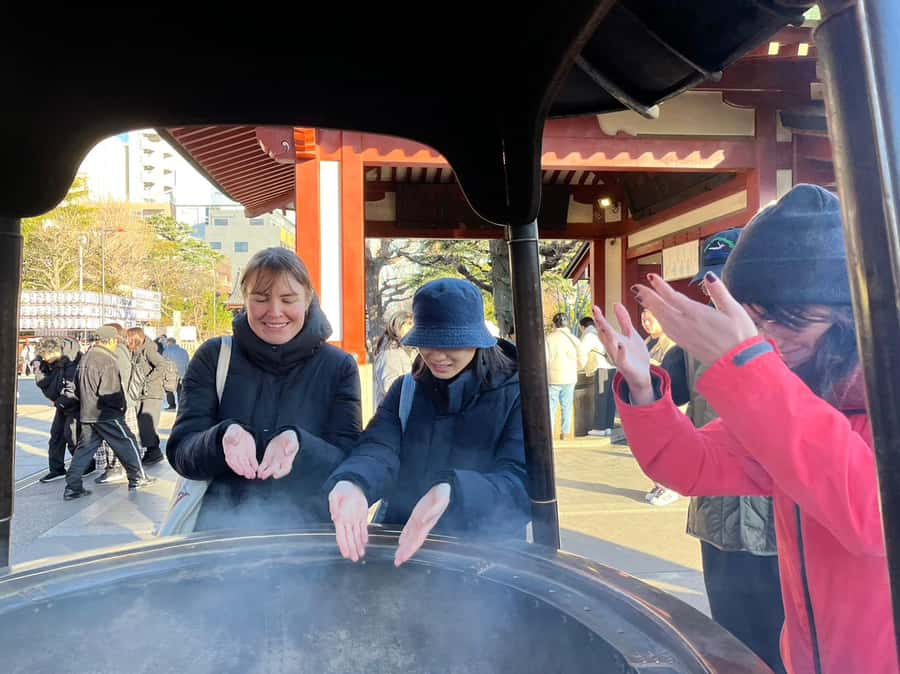
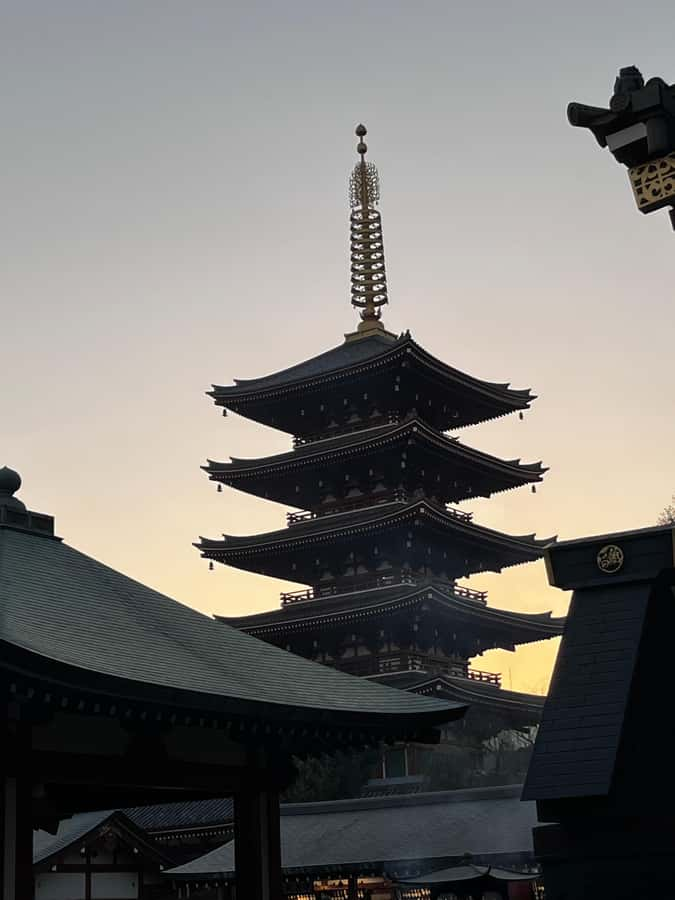
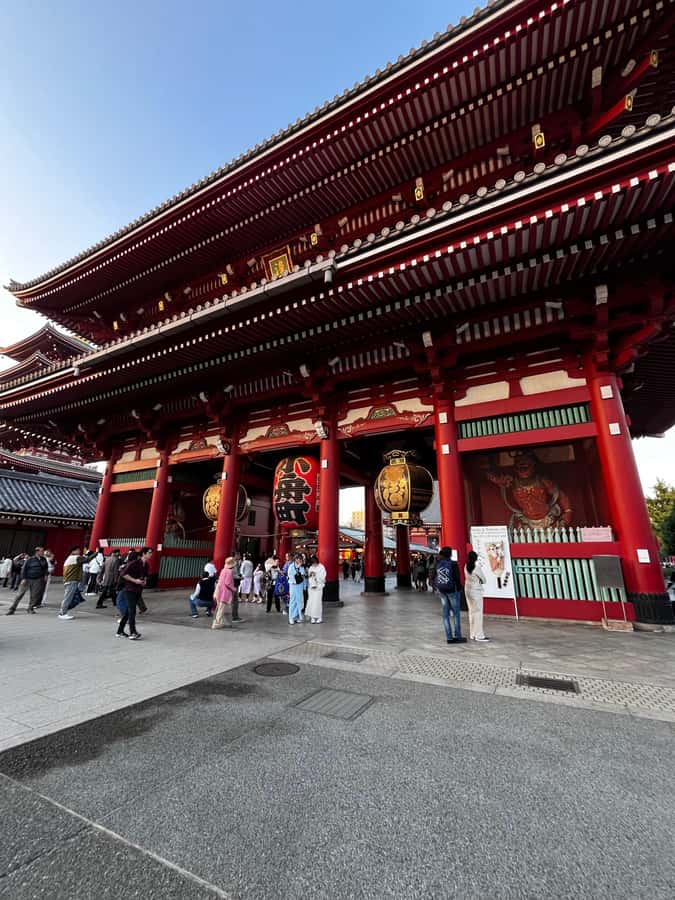
Senso-ji receives the longest stop, about 40 minutes. That is the heart of the tour, and the guide explains the temple, its history, and the traditional rituals connected with the site.
The value here is not simply reaching a famous building. Senso-ji is a place where visual details and religious practice matter. Without guidance, you can take photographs and admire the architecture while missing the meaning behind what people are doing. The tour is designed to help you notice those customs and understand why the site matters.
The description promises stories about Japan’s past and present, along with an explanation of the temple’s cultural role. The exact content will depend on your guide, but the purpose is clear: you are not just being led to a photo point. You are given a basic framework for reading the place.
Forty minutes is a sensible compromise. It gives you time for a guided visit without turning a short city tour into a full temple study. Still, it is not enough for a slow personal exploration of the whole area. If Senso-ji is one of your main reasons for visiting Asakusa, plan to return on your own after the tour.
This is also where a good guide makes the most difference. Mashito has been described as entertaining and well informed, while Mr. Hirashima has been praised for explaining small details clearly. Those qualities matter at a temple, where a short explanation can make an unfamiliar custom easier to understand.
The operator assigns an English-speaking guide, but the individual guide can vary. Nori has also been praised for practical help, including accompanying a participant to the subway to make sure they caught the correct line. That kind of assistance is especially useful if you are still getting comfortable with Tokyo’s rail system.
Other temple visits near Tokyo we have written up
- Nikko: Kegon Falls, Lake Chuzenji & Toshogu Temple
★ 4.6 · 1,577 reviews - Tokyo: Nikko Toshogu Shrine and Kegon Waterfall Tour
★ 4.5 · 1,266 reviews - Tokyo: Zen Meditation at a Private Temple with a Monk
★ 5.0 · 510 reviews - Mt. Fuji Heritage Tour: Traditional Villages, Lakes & Shrine
★ 4.5 · 509 reviews
Asakusa Shrine and the difference between temple and shrine
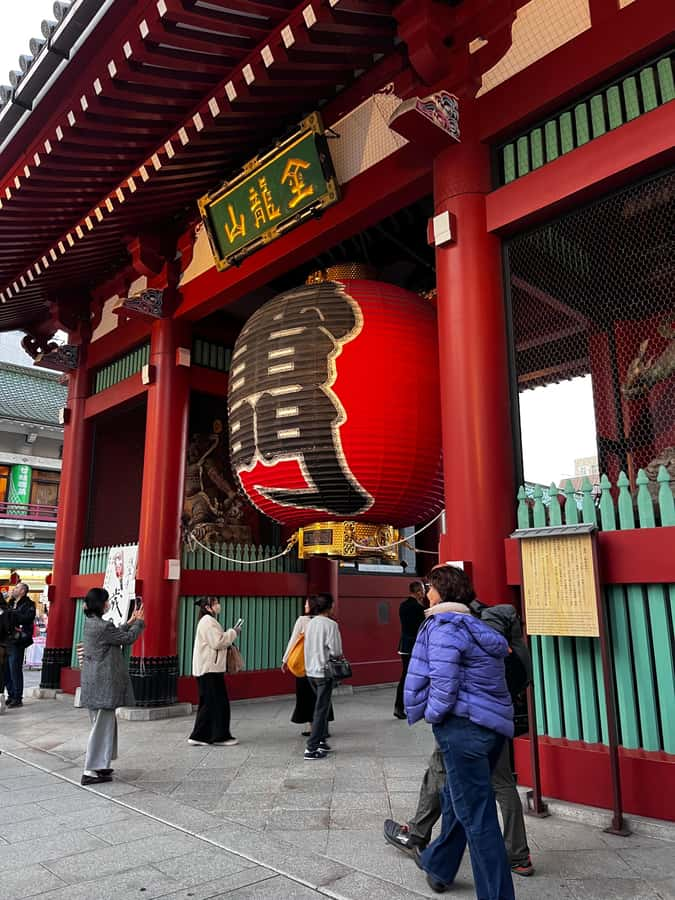
The next stop is Asakusa Shrine, with about 15 minutes for a guided visit. This gives the tour a useful second religious site rather than treating Senso-ji as the only point of interest.
The supplied information does not give a full description of the shrine’s features, so the guide’s explanation will be important. You can expect the visit to focus on the shrine and its place in the Asakusa area, with time for a short guided look rather than a long independent stay.
For you, the main benefit is comparison. The tour places a Buddhist temple and a Shinto shrine in the same neighborhood. Even a short explanation can help you recognize that these are different religious settings, rather than seeing every traditional Japanese site as simply another temple.
The 15-minute limit keeps the pace brisk. You will probably want to take photographs and listen closely at the same time. If you prefer quiet observation, ask whether you can pause briefly while the guide continues the explanation.
What the guide adds to the visit
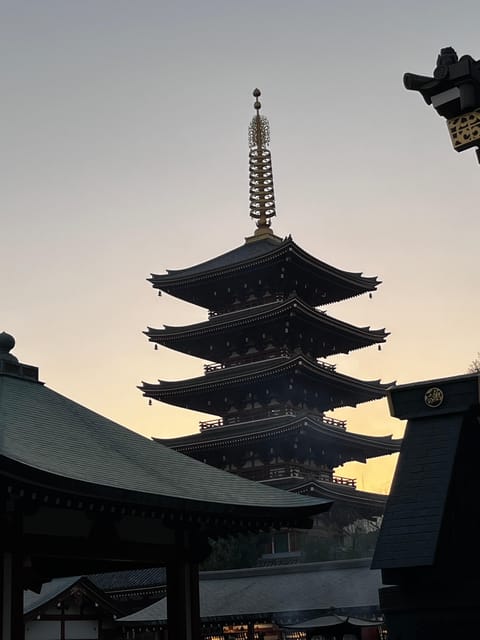
The included service is temple explanation, but the wider tour description promises historical insight, stories, and an explanation of traditional rituals. That is the part you are paying for. Senso-ji itself is free to visit, so the price needs to make sense as a guiding fee rather than an admission ticket.
The strongest guide comments point to three useful traits: clear English, kindness, and practical help. Nori, Mashito, and Mr. Hirashima are all associated with especially positive feedback, while Ali was praised for professionalism, friendliness, responsiveness, and excellent English in a separate family tour. Since guide assignments can change, treat these names as examples of the operator’s guide pool, not a guarantee that one particular person will lead your walk.
I would book this tour if you want someone to explain what you are seeing and keep the visit moving. I would not book it solely for independent photography. A private visit gives you more freedom to linger, repeat pictures, or explore side streets at your own pace.
The small group also improves the guide experience. Ten people is still enough for different interests and walking speeds, but it is far less unwieldy than a large coach group. You can ask a question about a ritual, a building, or the neighborhood without waiting for a formal question period.
Is $42 a fair price?
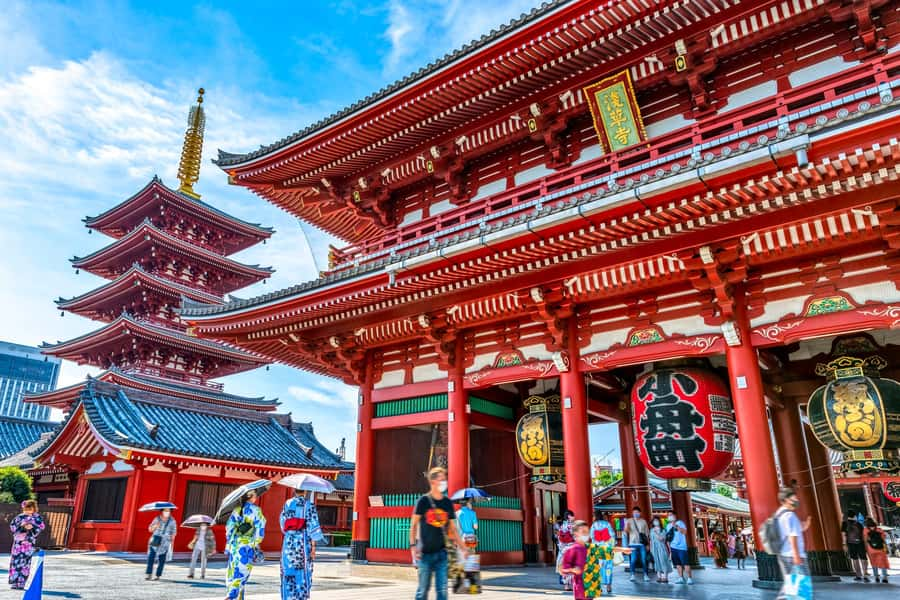
At $42 per person, this is not the cheapest way to see Senso-ji. You can reach the area on your own, walk around the temple, and pay nothing for the basic visit. The price is justified only if the explanation and structure are useful to you.
For a first-time visitor, the value comes from saving research time and getting an organized introduction. You meet at a clear point, walk a short route, and receive English explanations at the places that matter most. The small group adds value because you are not lost in a crowd.
For a repeat visitor or someone who has already studied Senso-ji, the value is less obvious. You may prefer to spend the same time taking photographs, visiting at your own pace, or staying longer in the temple district.
Families may find the 90-minute length manageable, especially if younger members lose interest during longer tours. The available feedback also points to guides who are helpful with practical needs. Still, the activity does not list a special children’s program, so families should view it as a standard small-group walking tour.
The price also makes more sense if you are nervous about navigating Tokyo. Nori’s reported help with finding the correct subway line shows the kind of practical support that can matter beyond the temple explanation. Do not count on that exact service as a formal part of the tour, but it is a useful sign of the personal help you may receive.
Timing, pace, and what to bring
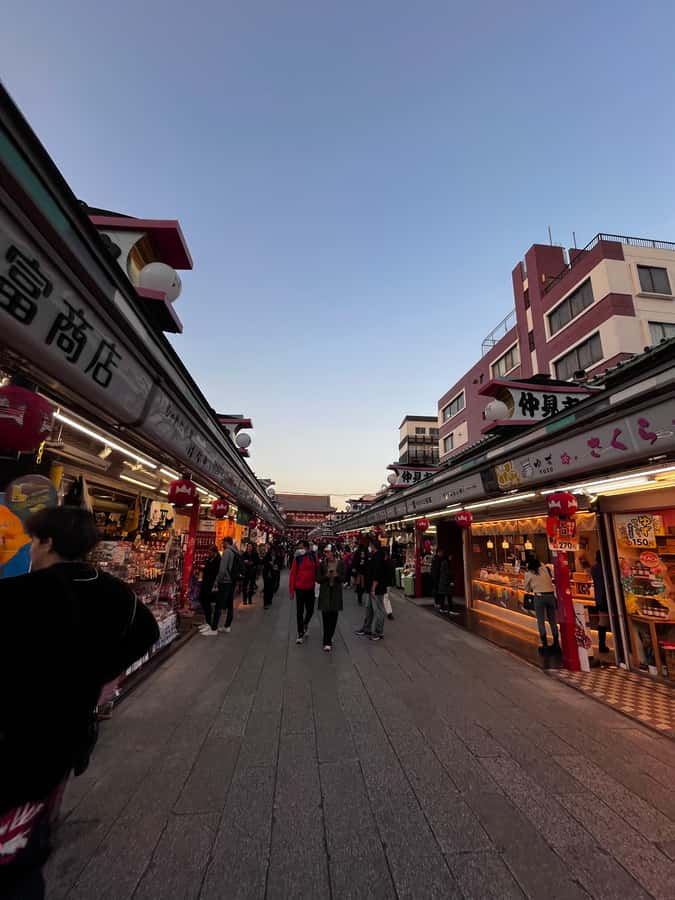
The full activity lasts 90 minutes. The stated schedule uses 15 minutes at the Culture Tourist Information Center, 40 minutes at Senso-ji, and 15 minutes at Asakusa Shrine, with short walking time between locations and the return to the starting point.
That leaves little spare time. Arrive before the meeting time, keep your belongings organized, and avoid planning another fixed activity immediately afterward. The tour ends back at Burger King Asakusa Azumabashi, so you can continue exploring Asakusa from there or return to the station.
Wear comfortable shoes. The route is short, but it is entirely on foot and takes place around a major temple district. Bring water and keep your camera ready, though the tour’s main purpose is explanation rather than a long photography session.
The activity is offered in English. If you need another language, this is not the right booking, since English is the only language specified.
Who should book this Asakusa walk?
I would recommend it to a first-time Tokyo visitor who wants a clear introduction to Asakusa without giving up half a day. It also suits solo visitors and couples who prefer a guide but do not want a large group.
It is a good choice if you want:
- A short first look at Senso-ji
- English explanations of the temple and local rituals
- A group capped at 10 people
- A simple meeting point beside Asakusa Station
- Help connecting the temple, shrine, and old-town area
I would be more cautious if you want extensive free time, a food tour, detailed architectural study, or a private guide. None of those are promised. The route is focused, the temple visit is guided, and the schedule is fixed.
The perfect use is at the start of your Asakusa visit. Let the guide explain the main sites, then stay in the neighborhood afterward if you want more time for photographs or independent exploration.
Should you book it?
Book this tour if $42 feels reasonable for clear English guidance, a small group, and a tidy 90-minute introduction to Senso-ji and Asakusa. The strongest reasons are the limited group size, the focused route, and the practical style associated with guides such as Nori, Mashito, and Mr. Hirashima.
Skip it if you are comfortable exploring temples alone or want to linger without a schedule. Senso-ji is easy to reach independently, and the tour does not include an admission ticket, meal, or extended free time.
For most first-time visitors, I see this as a useful orientation rather than a complete Asakusa day. Use it to understand the area, then keep exploring on your own.
FAQ
How long does the Senso-ji tour last?
The tour lasts 90 minutes, or one and a half hours.
What language is the tour offered in?
The tour is conducted in English.
Where is the meeting point?
Meet at Burger King Asakusa Azumabashi, directly outside Asakusa Station Exit 4. The listed coordinates are 35.710509, 139.7977387.
Which places does the tour visit?
The route includes the Asakusa Culture Tourist Information Center, Senso-ji Temple, and Asakusa Shrine. The tour returns to Burger King Asakusa Azumabashi.
How many people can join the group?
The group is limited to 10 participants.
Is a guide included?
Yes. A live English-speaking guide leads the tour, and temple explanation is included.
How much does the tour cost?
The listed price is $42 per person.
Can I cancel for a full refund?
Yes. You can cancel up to 24 hours in advance for a full refund.
Can I reserve now and pay later?
Yes. The booking option allows you to reserve your place and pay later.
Newly written up around Tokyo
- Tokyo: Snow Monkey and Zenkoji Temple Day Trip In Low Price★ 5.0 · 5 reviews
- Tokyo: Gotokuji Culture Walk & Lucky Cat Temple Experience★ 4.9 · 5 reviews
- :Tokyo,Shibuya /Meiji Shrine tour in KIMONO/English-friendly★ 5.0 · 4 reviews
- Tokyo: Sensoji Temple & Street Food: Private Tour with guide★ 4.6 · 8 reviews
- Tokyo: Visit 5 Shrines & Collect Goshuin on Private Tour★ 5.0 · 3 reviews
- Tokyo War History Tour: Yasukuni Shrine & War Museum★ 4.5 · 6 reviews
- Tokyo: Shibuya Sky, Harajuku & Meiji Shrine Highlights Tour★ 4.5 · 9 reviews
- Tokyo: Private Meiji Shrine & Harajuku Highlights Tour★ 4.5 · 4 reviews
Meiji Shrine & Senso-ji Tours, compared.
Asakusa Walking Tour with Sensoji Temple Visit
Read our review →
Tokyo Panoramic 1 Day: Meiji Shrine, Asakusa, Odaiba and SKYTREE®
Read our review →
Asakusa Senso-ji Temple and Old Tokyo Walking Tour
Read our review →
Asakusa and Tokyo’s Oldest Temple Senso-ji Tour
Read our review →
Meiji Shrine Walking Tour — Shinto & Imperial System
Read our review →
Meiji Jingu Shrine and Shinto Culture Walking Tour
Read our review →
Meiji Shrine Walking Tour — Shintoism & Imperial System
Read our review →Browse the lists this tour appears in