
Reviewed · MEIJI SHRINE & SENSO-JI TOURS
Tokyo: Asakusa and Tokyo’s Oldest Temple Senso-ji Tour
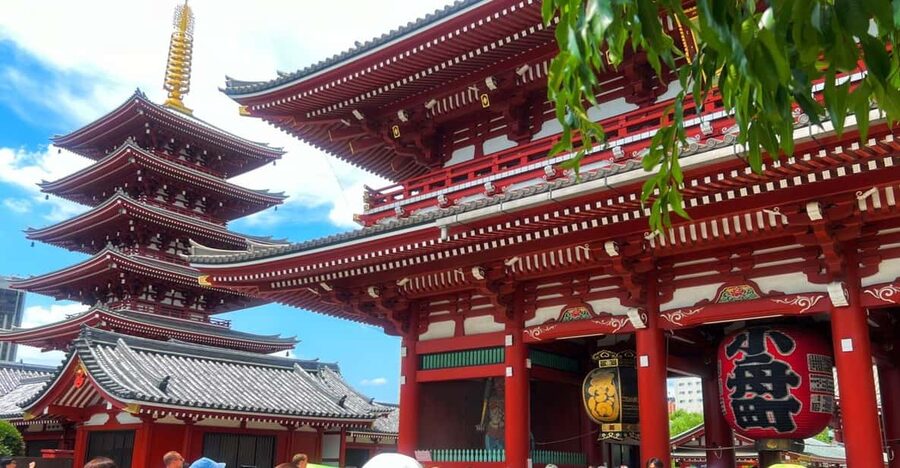
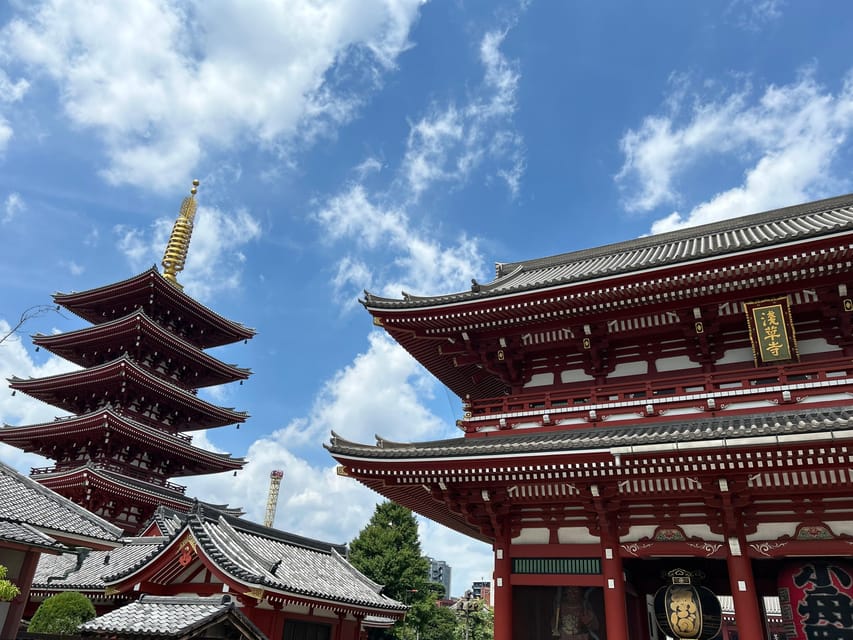
Asakusa gives you Tokyo at its most traditional, and this two-hour walk gets you straight to the neighborhood’s main showpiece: Senso-ji, the city’s oldest temple, founded in the 7th century. You pass beneath the huge Kaminarimon Gate, walk the shop-lined Nakamise Street, and learn how this old district survived war, rebuilding, and the pressures of modern Tokyo.
I like two things here. First, the small group limit of 10 makes it easier to hear the guide and stay together in crowded lanes. Second, the guides add useful local details, from how to approach a temple to which snacks and souvenirs are worth your yen. Shino, Embla, Nicolas, Aska, and Joe are among the guides praised for clear English, good pacing, and lively storytelling.
The main drawback is the setting itself: Asakusa’s famous route can be very crowded, especially around the temple and Nakamise Street. Two hours is enough for an introduction, not a full day in the district, so plan to return if you want shopping, food, or quieter side streets.
Key points to know before you book
- Senso-ji is the centerpiece: Learn about Tokyo’s oldest temple and its Buddhist customs rather than simply taking a few photos outside.
- The route covers four major stops: Kaminarimon, Nakamise Shopping Street, Senso-ji, and Asakusa Shrine.
- Local details add value: Guides explain food, souvenirs, prayer customs, geisha districts, hidden shrines, and Asakusa’s recovery after the war.
- Small groups help in the crowds: The group is limited to 10, and guides make a point of keeping everyone together.
- The price is unusually low: At $14 per person, the tour offers a practical orientation for first-time visitors.
- Plan for a busy walk: You will be on your feet around popular streets, with crowds likely at the major sights.
Why this $14 walk is a smart first look at Asakusa
At $14 per person, this is not a luxury tour with elaborate extras. It is a focused introduction to one of Tokyo’s most important old districts, led in English and kept to two hours.
That low price matters because Asakusa is easy to visit on your own, but easy to misunderstand as well. You can walk through the gate, buy a sweet, take a picture of the pagoda, and leave without understanding the difference between a Buddhist temple and a Shinto shrine. A good guide gives the streets a clearer meaning.
The tour also helps you get your bearings. After finishing at Asakusa Station, you can return to places that caught your eye, continue toward the river, shop for souvenirs, or find lunch nearby. Several guides also give recommendations for food and pottery shops, which makes the walk useful beyond its scheduled two hours.
The rating is 4.9 from 352 reviews, with repeated praise for the guides’ English, patience, cultural explanations, and ability to handle crowds. That consistency is important here because the route is familiar, but the quality of the experience depends heavily on how well the guide explains it.
More Meiji Shrine and Senso-ji Tours in Tokyo:
- Tokyo: Asakusa Walking Tour with Sensoji Temple Visit
★ 4.8 · 1,583 reviews - Tokyo Panoramic 1 Day: Meiji Shrine, Asakusa, Odaiba and SKYTREE®
★ 4.5 · 1,222 reviews - Tokyo: Meiji Shrine Walking Tour — Shinto & Imperial System
★ 4.9 · 266 reviews
Meeting at Asakusa Station
The meeting point is in front of the Starbucks closest to Asakusa Station, at coordinates 35.7119461, 139.7979446. You are asked to download WhatsApp before meeting, which the guide uses to help the group connect smoothly.
This is a sensible starting point for a walking tour, but do not treat the Starbucks name as enough on its own. Asakusa is served by more than one rail line and has a busy station area. Check the exact meeting details before you leave your hotel, and arrive with enough time to identify the correct Starbucks.
The tour returns to the same location at the end. That makes it easy to continue exploring, and it also means you do not need to arrange transport back from an unfamiliar part of Tokyo.
Kaminarimon Gate: a dramatic start
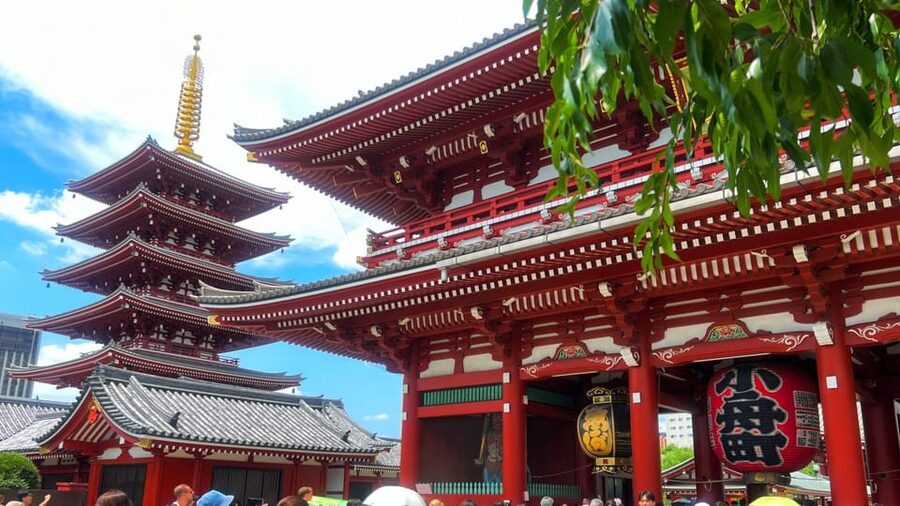
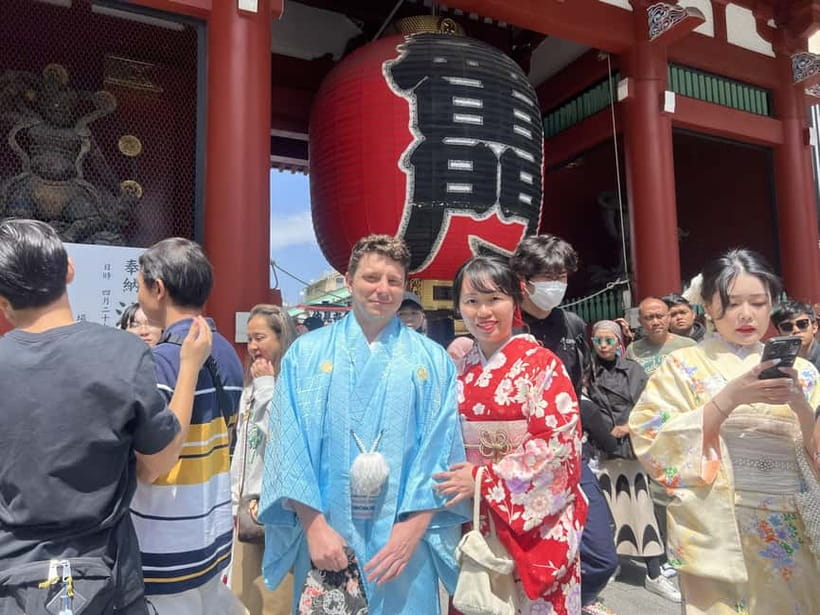
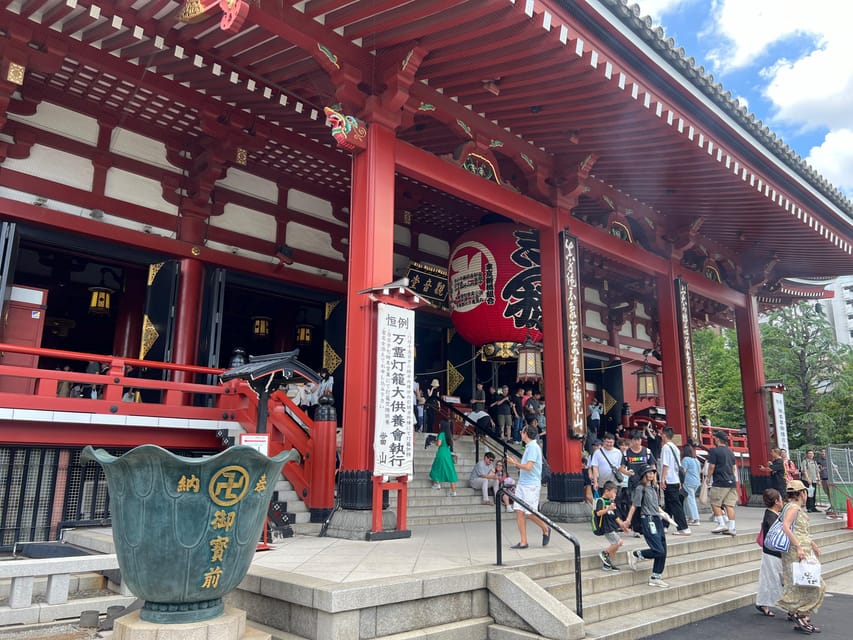
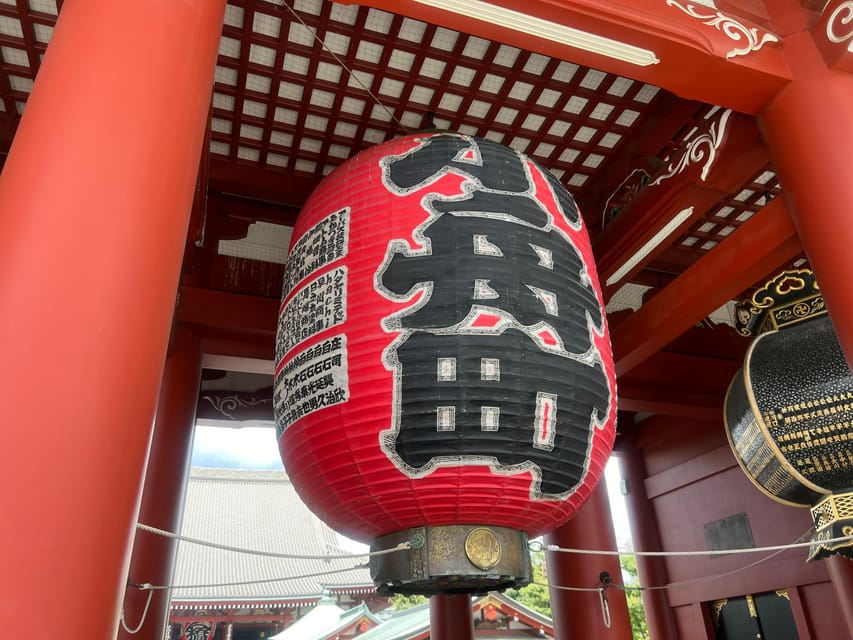
The first major stop is Kaminarimon, or the Thunder Gate. Its enormous lantern makes this one of the most recognizable entrances in Tokyo, and the gate sets the tone for the walk immediately.
You get a photo stop and about 30 minutes of guided attention here. That time is useful because the gate is more than a quick picture point. Your guide can explain its place in the approach to Senso-ji and point out details that are easy to miss when the surrounding crowd is moving in every direction.
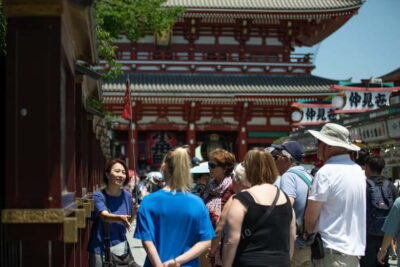
This is also where the group may feel the pressure of Asakusa’s popularity. The gate is a magnet for photographs, and guides need to keep everyone close. Connie was praised for checking constantly that no one was left behind, while other guides were noted for navigating busy areas calmly. That sort of practical care matters more here than a polished speech.
Have your camera ready, but listen before rushing onward. The tour’s value comes from understanding the sequence of the approach, not just collecting one more Tokyo landmark photo.
Nakamise Street and the pleasure of a slow look
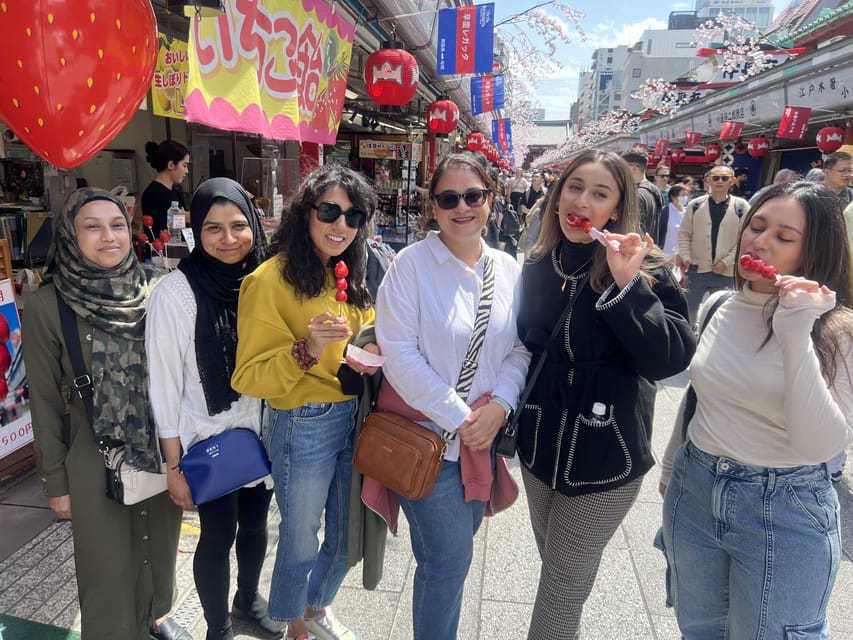
From Kaminarimon, you walk along Nakamise Shopping Street toward the temple. This traditional shopping lane is lined with souvenir stalls, snacks, sweets, and colorful details that make it one of the most enjoyable sections of the route.
The scheduled visit lasts about 20 minutes. That is enough for the guide to explain the street and point out local foods, but it is not enough for a relaxed shopping session. If you see something you want, make a note of the shop and return after the tour.
The guides often add the kind of advice that guidebooks cannot easily provide. Shino has recommended popular places to eat and souvenirs with genuine meaning. Other guides have pointed out local specialties, including ningyo-yaki, a small traditional snack filled with sweet red bean paste. You might also hear suggestions for pottery and other Asakusa purchases.
I like this stop because it connects religious history with everyday life. Senso-ji is not an isolated monument behind a fence. The approach is a living commercial street, and the food and souvenirs show how the temple area serves both local customs and visitors.
The drawback is obvious: Nakamise can be crowded and slow. If you dislike busy shopping lanes, keep your expectations modest. You are seeing the street as part of a guided route, not getting a quiet market experience.
Other temple visits near Tokyo we have written up
- Nikko: Kegon Falls, Lake Chuzenji & Toshogu Temple
★ 4.6 · 1,577 reviews - Tokyo: Nikko Toshogu Shrine and Kegon Waterfall Tour
★ 4.5 · 1,266 reviews - Tokyo: Zen Meditation at a Private Temple with a Monk
★ 5.0 · 510 reviews - Mt. Fuji Heritage Tour: Traditional Villages, Lakes & Shrine
★ 4.5 · 509 reviews
Senso-ji: learning how to approach the temple
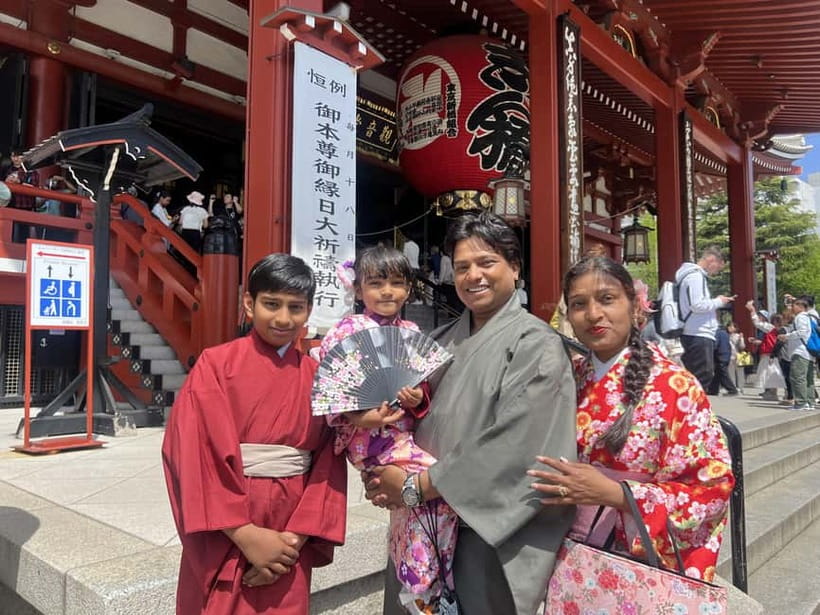
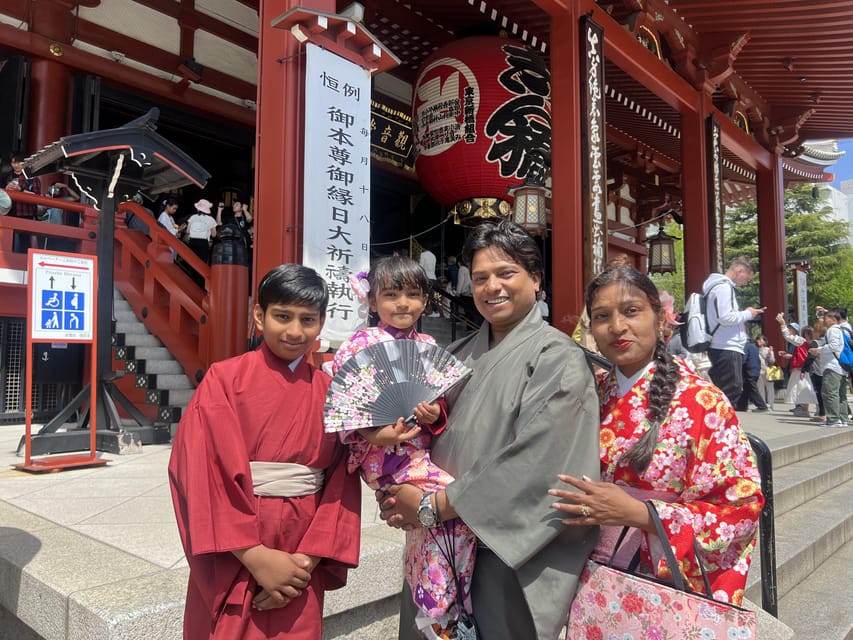
Senso-ji receives about 30 minutes of walking, guided commentary, and photo time. Founded in the 7th century, it is one of Tokyo’s oldest and most important temples, and it gives the tour its main historical purpose.
A good guide helps you see more than the large hall and striking architecture. You can learn about Buddhist beliefs, the temple’s place in Tokyo, and the customs connected with approaching and worshipping there. Several guides have been praised for explaining how to pray and how to behave respectfully at the temple.
That practical instruction is one of the strongest reasons to book a guided walk. Japanese religious sites can feel confusing at first. You may not know what is appropriate, what is merely decorative, or how a temple differs from a shrine. The tour gives you a basic framework without turning the visit into a lecture.
You may also have the chance to learn about fortunes and traditional temple practices. One guide was specifically praised for explaining Buddhism and helping with the experience of getting a fortune. The exact amount of time available for personal exploration can depend on crowd levels and the pace of the group.
Senso-ji is photogenic, but the prettiest views are not necessarily the most meaningful ones. Listen for the stories about the temple’s past and Tokyo’s development. The guide’s explanation is what turns a famous stop into a cultural visit.
Asakusa Shrine and the difference between a temple and a shrine
The final major stop is Asakusa Shrine, with around 30 minutes for a photo stop and guided visit. Its position close to Senso-ji makes it an excellent place to clarify the difference between Buddhism and Shinto.
This pairing is especially useful for first-time visitors. You see a Buddhist temple and a Shinto shrine in the same historic district, then receive an explanation of their separate customs and roles. Guides have taught visitors how to approach each site and how Japanese religious traditions fit into daily life.
Asakusa Shrine also gives the tour a slightly different feel from the grand entrance and crowded shopping street. You are still in the center of a famous area, but the focus shifts toward local worship, tradition, and the neighborhood’s older identity.
The route then returns to the Starbucks near Asakusa Station. Since the tour ends where it began, you can easily spend the rest of your day in Asakusa. Two hours will not cover every side street, restaurant, or shop, but it gives you a strong plan for what to explore next.
The guides make or break the experience
The tour has used several guides, and the strongest praise centers on the same traits: clear English, strong local knowledge, patience, and an ability to answer questions without losing the group.
Shino appears often in the feedback and is described as Tokyo-born, energetic, friendly, and particularly good at sharing local customs, food suggestions, and less obvious places. Embla is praised for organization, humor, and sending useful information the day before. Nicolas is described as an excellent storyteller who explains temple history in an engaging way and adjusts the pace when needed.
Aska is repeatedly praised for cultural explanations, hidden local details, and care for the group in hot weather. Joe brings a more relaxed, conversational style, with one description comparing the experience to exploring with a local friend. Other guides, including Naoya, Ryota, Connie, Haydn, Jae, Ahn, and Yota, also receive strong marks for friendliness and clear explanations.
The variety means your exact experience will depend on who leads the walk. That is normal for a small-group tour. The consistent point is that the guides do more than recite dates. They explain customs, answer questions, and help you notice food, shops, and neighborhood details.
One practical note: even a good guide cannot control the crowd. One participant pointed out that slow or talkative people in the group can affect the pace. The guide handled it calmly, but you should expect a shared walking experience rather than a private tour.
What the two-hour format does well
Two hours is a good length for an introduction. You visit the main landmarks without giving up an entire morning or afternoon, and the route is compact enough to remain manageable.
The schedule is fairly even: about 30 minutes at Kaminarimon, 20 minutes on Nakamise Street, 30 minutes at Senso-ji, and 30 minutes at Asakusa Shrine. The remaining time covers walking, regrouping, and transitions.
This format suits you if you are visiting Tokyo for the first time, have only a short window in Asakusa, or want cultural context before exploring independently. It also works well for solo visitors who prefer the company of a small group. One solo booking resulted in a group of only two people, showing that the maximum of 10 does not mean every departure will be full.
The tradeoff is limited free time. You are not likely to browse every stall, stop for a full meal, or explore far beyond the main route. Think of the tour as a well-explained introduction, then leave room afterward for your own wandering.
Who should book this Asakusa walk
I would recommend it most strongly to first-time visitors to Tokyo, especially anyone who wants a simple explanation of temple and shrine customs. Families may also appreciate the short duration and the guide’s job of keeping everyone together.
It is a good match for solo visitors, couples, and small groups who prefer conversation and local tips over a large bus tour. History fans will enjoy the stories of Edo-era Tokyo, geisha districts, hidden shrines, and the neighborhood’s post-war recovery.
You should think twice if you want a long food tour, extensive shopping time, or a quiet photography walk. You should also expect to walk through crowds and remain on your feet for the full experience.
English is the stated tour language, and the group is limited to 10 people. The tour includes the guide, walking tour, and admission associated with Asakusa, Senso-ji, and Nakamise Street. Since temple and shrine customs are part of the appeal, dress and behave respectfully, even though no formal dress rule is provided.
Booking flexibility and practical value
You can cancel up to 24 hours in advance for a full refund, and the reserve-now-pay-later option lets you hold a place without paying immediately. That is useful if your Tokyo schedule is still changing.
Starting times vary, so you need to check availability for your chosen date. The experience lasts two hours, and the $14 cost is paid per person.
At that price, the tour is easy to justify if you value context and orientation. You could walk the same streets for free, but the guide adds explanations about religion, history, food, and local habits. The best value comes when you use the walk as a starting point for a longer Asakusa visit.
Should you book the Senso-ji and Asakusa tour?
Yes, if you want a short, affordable introduction to old Tokyo with an English-speaking guide. The strongest reasons are the small group size, the practical explanations of temple and shrine customs, and the helpful local advice about food and souvenirs.
Book it early in your Tokyo planning if you want a clear first look at Asakusa. Leave extra time afterward for shopping, eating, and revisiting the corners that catch your eye. Skip it only if you already know the district well and prefer to explore entirely on your own.
FAQ
How long does the Asakusa tour last?
The tour lasts two hours.
How much does the tour cost?
The price is $14 per person.
Where does the tour begin?
The meeting point is in front of the Starbucks closest to Asakusa Station. The coordinates provided are 35.7119461, 139.7979446.
Where does the tour end?
The tour returns to the Starbucks near Asakusa Station.
Which sights are included?
The route includes Kaminarimon, Nakamise Shopping Street, Senso-ji Temple, and Asakusa Shrine.
What language is the tour offered in?
The live tour guide speaks English.
How large is the group?
The tour is limited to 10 participants.
Can I cancel for a refund?
Yes. You can cancel up to 24 hours in advance for a full refund.
Newly written up around Tokyo
- Tokyo History: Sensoji Temple & Asakusa District Private Tour★ 5.0 · 28 reviews
- Tokyo Private Tour: Temples, Culture & Modern City Highlights★ 5.0 · 56 reviews
- From Tokyo: Snow Monkey Park & Zenko-ji Temple Private Tour★ 4.9 · 42 reviews
- From Tokyo: Nikko Toshogu Shrine and Kegon Waterfall Tour★ 4.0 · 42 reviews
- Tokyo Morning Tour: Asakusa, Meiji Shrine and Tsukiji Fish Market★ 5.0 · 128 reviews
- Tokyo: Snow Monkey Park and Zenkoji Temple Private Day Tour★ 4.7 · 127 reviews
- Tokyo Zen Meditation at Private Temple with Monk★ 5.0 · 178 reviews
- From Tokyo: Private Tour Snow Monkey Park & Zenko-ji Temple★ 4.7 · 184 reviews
Meiji Shrine & Senso-ji Tours, compared.
Asakusa Walking Tour with Sensoji Temple Visit
Read our review →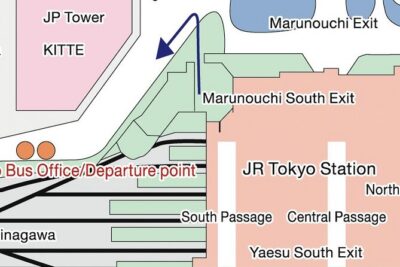
Tokyo Panoramic 1 Day: Meiji Shrine, Asakusa, Odaiba and SKYTREE®
Read our review →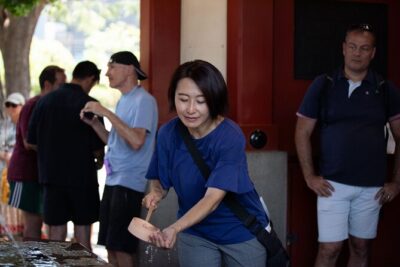
Asakusa Senso-ji Temple and Old Tokyo Walking Tour
Read our review →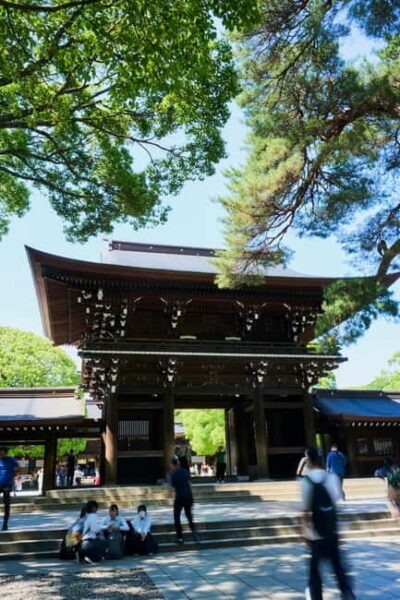
Meiji Shrine Walking Tour — Shinto & Imperial System
Read our review →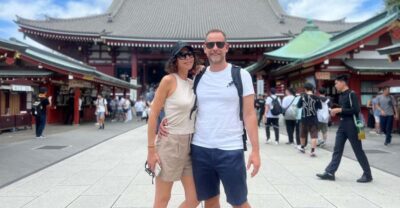
Meiji Jingu Shrine and Shinto Culture Walking Tour
Read our review →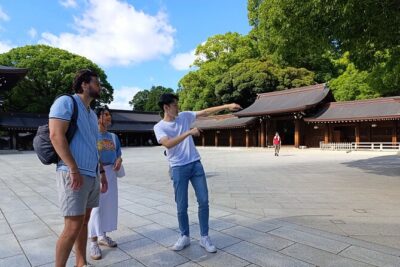
Meiji Shrine Walking Tour — Shintoism & Imperial System
Read our review →
Tokyo Morning Tour: Asakusa, Meiji Shrine and Tsukiji Fish Market
Read our review →Browse the lists this tour appears in