
Reviewed · MEIJI SHRINE & SENSO-JI TOURS
Tokyo History: Sensoji Temple & Asakusa District Private Tour
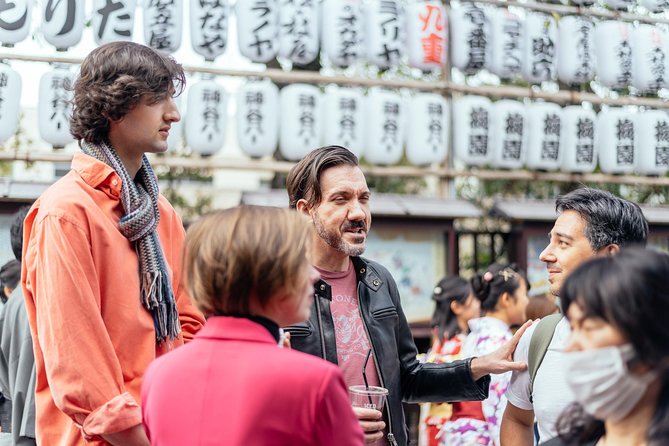
Asakusa is where Tokyo’s old character is easiest to see. This private walking tour takes you from the red Kaminarimon Gate and Nakamise shopping street to Sensoji Temple, then into side streets, craft shops, and Kappabashi’s curious world of restaurant supplies. The small temple offering adds a useful touch, since your guide can explain how to take part respectfully.
I like the one-to-one format, which lets you ask about Buddhist customs, food, shopping, or other parts of Tokyo as you walk. I also like the mix of major sights and local details, from age manju and melon pan to hand-made goods and plastic food models. The main drawback is pace: three hours can feel short, especially if you want to shop, eat, and examine every temple building.
Key points at a glance
- Sensoji Temple dates to 628, making it one of Tokyo’s most important historic religious sites.
- Nakamise Street combines traditional lanterns, souvenirs, sweets, and a long shopping tradition.
- Your private guide can adjust the walk, with past guides including Gulay, Sheilina, Carlos, Abu, William, and RamKy.
- Kappabashi Street adds a playful final stop, with kitchen tools and the food models used outside Japanese restaurants.
- A temple offering is included, while food and drinks are extra.
- The tour covers about three hours, begins at 2-chōme-16-11 Kaminarimon, and returns to the same meeting point.
Why Asakusa Makes a Good First Tokyo Walk
Tokyo can feel huge and hard to read at first. Asakusa gives you a clear starting point, with a major temple, a traditional shopping street, narrow lanes, food stops, and a practical look at Japanese craft and restaurant culture all within one walk.
I find this area especially useful early in a Tokyo visit. A good guide can explain basic customs, show you how the temple grounds work, and answer the small questions that are easy to miss when you explore alone. Past guides have included Abu, Sheilina, Gulay, Carlos, William, and RamKy. Their styles vary, but the strongest pattern is flexibility and conversation.
This is not a bus tour or a lecture delivered from a fixed route. You walk the whole time, stopping often. That makes the experience personal, but you should expect a moderate level of physical activity and time on your feet.
More Private Temple Tours in Japan
- From Tokyo: Private Tour Snow Monkey Park & Zenko-ji Temple
★ 4.7 · 184 reviews - Tokyo Private Tour: Temples, Culture & Modern City Highlights
★ 5.0 · 56 reviews - From Tokyo: Snow Monkey Park & Zenko-ji Temple Private Tour
★ 4.9 · 42 reviews
Starting Under the Kaminarimon Gate
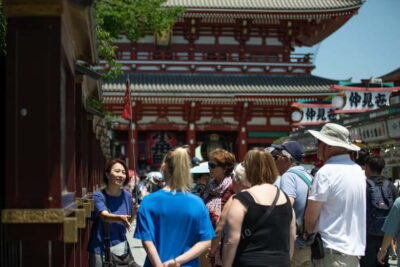
The meeting point is at 2-chōme-16-11 Kaminarimon, Taito City, Tokyo. The first part takes you through Kaminarimon, the dramatic entrance associated with Sensoji. Its large lantern and guardian statues make an immediate impression, but the value of a guide is in explaining what you are looking at rather than simply taking a photograph.
From there, you move along Nakamise Shopping Street. The route is short enough to handle comfortably, yet full of distractions. Traditional-style lanterns, souvenir shops, sweet treats, and small food counters line the way toward the temple.
The street has served shoppers since the 18th century. That long connection between commerce and worship helps explain the area’s character. Nakamise is not just a modern retail strip placed in front of a temple. Shopping, snacking, and visiting Sensoji have been linked for generations.
The listed timing is about 20 minutes, which is enough for an introduction but not a serious shopping session. If you see something you want to buy, ask your guide how much time the schedule allows. A private tour gives you a better chance of adjusting the pace, but it cannot turn three hours into an entire afternoon.
Sweets and the Hozomon Gate
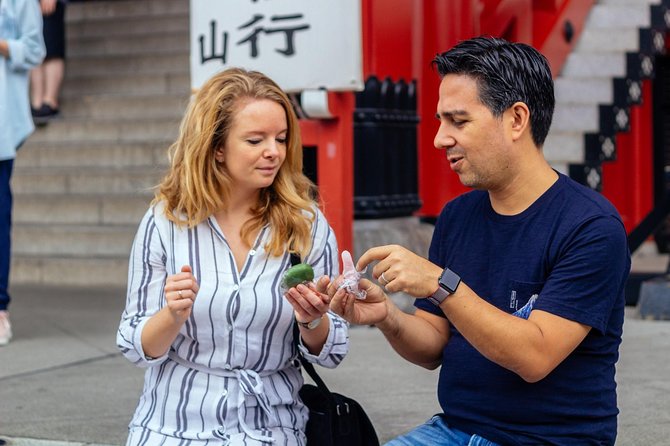
Near the second gate, Hozomon, the walk includes a stop at a shop for age manju. This is a fried sweet with a soft filling, and you can choose a flavor. It is one of those modest food moments that helps you connect the street scene to everyday Japanese eating habits.
Food and drinks are not included in the tour price, so plan to pay for snacks separately. The temple offering is included, but that should not be confused with the food stops. If you have dietary restrictions, ask your guide before choosing a sweet, since the supplied details do not list ingredients or alternatives.
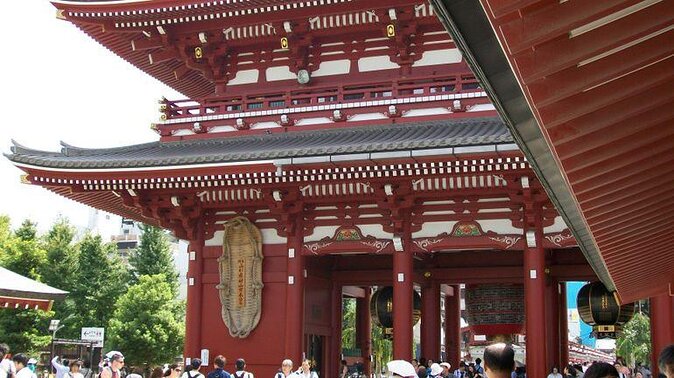
Hozomon leads toward the main temple grounds. The gate itself is worth a pause, particularly if your guide points out the statues and details that can be lost in the crowd. The schedule allows around 20 minutes here, including the food stop and passage through the gate.
Taking Part at Sensoji Temple
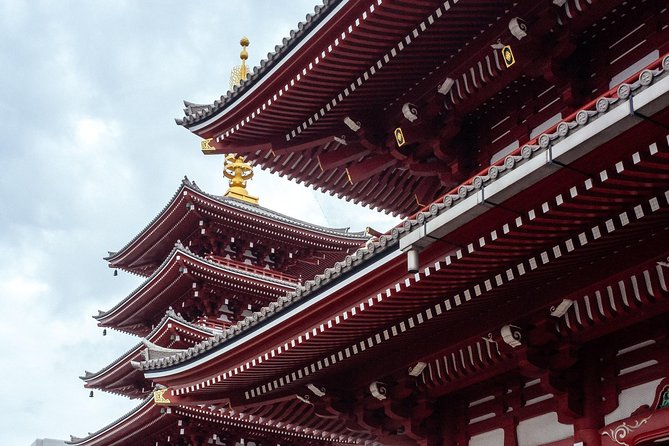
Sensoji is the center of the walk. It dates to the year 628 and is considered Tokyo’s oldest temple. That date gives the place a sense of scale: modern Tokyo grew around a religious site that has shaped this part of the city for centuries.
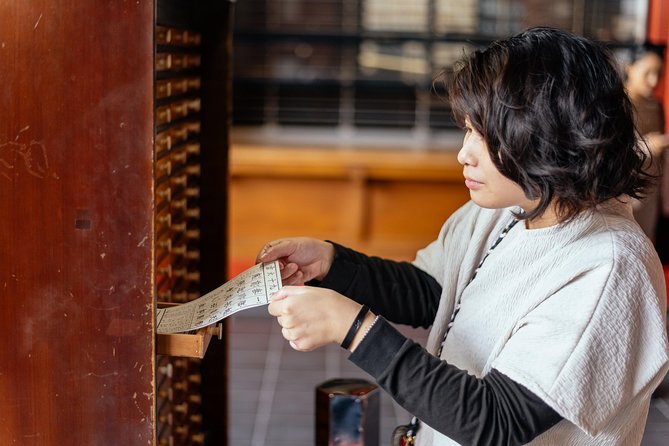
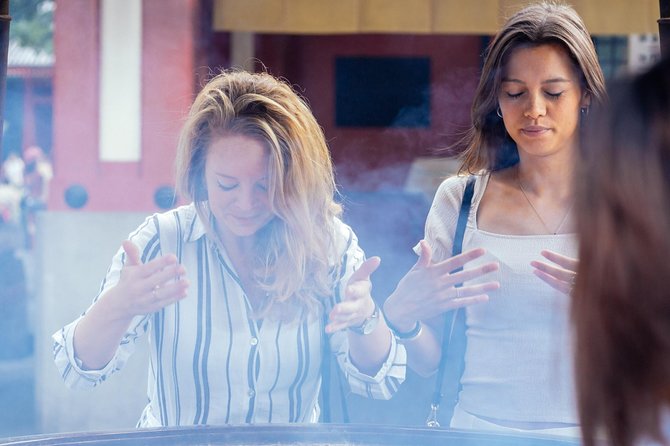
Before entering, you can let incense smoke waft over you in keeping with local custom. The tour includes a small offering, so your guide can help you take part rather than simply watch other people perform the ritual. This is one of the most useful parts of having local help. Customs are easy to copy incorrectly when you are in a hurry or unsure what is appropriate.
The temple stop is listed at about 20 minutes, but that is a brisk visit. You can see the main features and learn the basic story, though you may want longer if you hope to study the grounds, take photographs, or spend quiet time at the worship hall.
Past tours have included surprising moments such as a Shinto wedding blessing, a samurai ceremony, and holiday crowds during Lunar New Year and Japan’s Foundation Day. These events are not promised, and they should not be a reason to book on their own. Still, they show how active Sensoji can be as a place of worship and public tradition, not just a sightseeing stop.
A different set of gates, same trip:
- Tokyo: Asakusa Walking Tour with Sensoji Temple Visit
★ 4.8 · 1,583 reviews - Nikko: Kegon Falls, Lake Chuzenji & Toshogu Temple
★ 4.6 · 1,577 reviews - Tokyo: Nikko Toshogu Shrine and Kegon Waterfall Tour
★ 4.5 · 1,266 reviews - Tokyo Panoramic 1 Day: Meiji Shrine, Asakusa, Odaiba and SKYTREE®
★ 4.5 · 1,222 reviews
Side Streets, Melon Pan, and Hanayashiki
After Sensoji, the route turns into narrower streets near Asakusa Hanayashiki. This section gives you a break from the main temple approach and a chance to see the district at a slower, more local scale.
The walk passes a spot known for freshly made melon pan bread. Melon pan is a sweet bread with a crisp, patterned top. The schedule includes about 15 minutes for this area, so you may have time to look and possibly buy one, but the food is not part of the listed inclusions.
Hanayashiki adds another layer to Asakusa’s personality. The route passes through or near the amusement park area, contrasting with the solemn temple grounds just visited. That contrast is part of what makes Asakusa rewarding: sacred buildings, old shopping lanes, snack shops, and entertainment sit close together.
I would treat this section as a neighborhood walk rather than a full Hanayashiki visit. The tour does not include a separate amusement park admission, and the time is too limited for a proper park outing.
Traditional Crafts in the Edo Taito Center
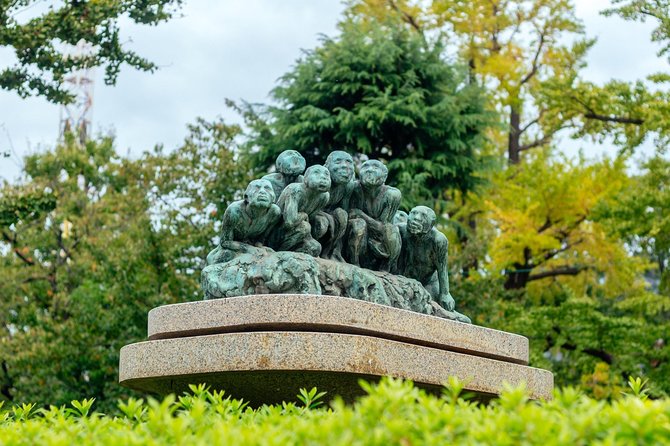
The Edo Taito Traditional Crafts Center, also known as the Edo Shitamachi Traditional Crafts Museum, gives the walk a more hands-on cultural angle. Here you can see items made by Tokyo artists and craftspeople.
The stop is scheduled for about 15 minutes. If you visit on a weekend, you may see a craftsperson working in front of you. That matters because a finished object can look simple until you understand the skill and time behind it.
This is also a good place to ask your guide about the difference between a souvenir and a locally made craft. The supplied details do not promise purchases or demonstrations on every visit, so keep expectations practical. You will get a short introduction, not a full workshop.
Past tours have been personalized around questions about Japanese culture and customs. If craft, design, or everyday traditions interest you, tell your guide at the start. The private format makes that sort of adjustment more realistic than it would be in a large group.
Kappabashi and Tokyo’s Plastic Food
The final major area is Kappabashi Street, also called Kappabashi Dogugai. This district is known for restaurant equipment and the remarkably realistic food models displayed outside Japanese eateries.
The route lists Kappabashi twice, each for about 15 minutes. That likely allows time to see more than one section of the street, but the activity remains a brief visit rather than a full shopping expedition. You may find dishes, kitchen tools, restaurant signs, and the plastic samples used to show diners what a meal looks like.
This is one of the tour’s most distinctive stops. Sensoji shows Tokyo’s religious past, while Kappabashi shows the practical machinery of its food culture. You can also shop here. One past tour included advice on finding special small bowls, an example of how a guide can help you choose something useful rather than simply point at shop windows.
If you buy anything, remember that you must carry it for the rest of the walk. The tour ends back at the starting point, so you do not need to arrange a separate return from Kappabashi, but a bulky purchase could still be awkward.
What the Private Format Is Worth
The price is $139.63 per person. Since the tour is private, the value depends heavily on the size of your party. For one person, it is a sizable cost for three hours. For a couple, family, or small group, the price may make more sense because you are paying for dedicated attention rather than separate seats in a large group. Group discounts are available, though the exact savings are not provided.
I would book this for the guide access, not simply for entry to Sensoji. The temple and Nakamise are free to visit, and you can reach them on your own. What you are buying is context, help with customs, snack and shopping suggestions, and the ability to ask questions as the route develops.
Past guides have been praised for adapting to requests. Abu was described as flexible, Sheilina as warm and attentive, Gulay as strong on Japanese culture and customs, Carlos as personable and generous with further Tokyo suggestions, and RamKy as an engaging teacher and conversationalist. These names reflect guides who have led the experience before, not a guarantee of who will be assigned to you.
The tour has a five-star rating from 28 reviews, with 100 percent recommending it. That is a small sample, so I would still judge the experience by your priorities. If you want a fixed, highly timed checklist, the private flexibility may matter less. If you want conversation and help making sense of what you see, it is the main benefit.
Timing, Meeting Point, and Physical Effort
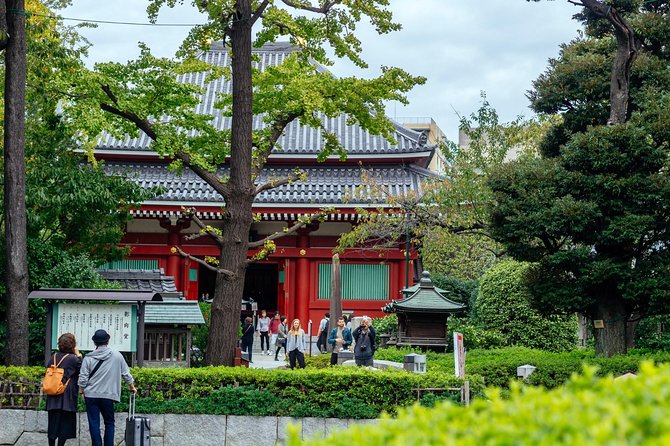
The activity lasts about three hours and begins and ends at the Kaminarimon meeting point. It is near public transportation, but hotel pickup and drop-off are not included. You need to make your own way to the starting address and return from there.
The route involves walking through shopping streets, temple grounds, side streets, and Kappabashi. A moderate fitness level is recommended. Wear shoes you can walk in comfortably, especially if you plan to pause at shops or continue sightseeing afterward.
The schedule adds up to a brisk series of stops. Nakamise, Hozomon, Sensoji, Hanayashiki, the crafts center, and Kappabashi each receive limited time. I would tell your guide at the start if you care most about temple customs, local food, crafts, or shopping. That gives the private format a chance to work in your favor.
Mobile tickets make the booking convenient. Confirmation is received at booking, and free cancellation is available if you cancel at least 24 hours before the start time. Changes or cancellations within 24 hours are not refundable.
Who Should Book This Asakusa Walk?
I recommend it for first-time Tokyo visitors who want a friendly orientation to one of the city’s oldest districts. It also suits families and couples who prefer to ask questions freely, stop for snacks, and shape the walk around their interests.
It is a good choice for anyone curious about Japanese temple customs. The included offering makes the visit more participatory, and the guide can explain the incense and worship steps as you go.
Food fans and shoppers will also get something unusual from the Kappabashi stop. The walk does not promise a full tasting tour, and food costs extra, but you can sample or buy local sweets and see the equipment and display models behind Japanese restaurant culture.
I would hesitate if your main goal is a long, quiet temple visit or a serious shopping day. The tour covers a lot in three hours, and the temple, craft center, and Kappabashi stops all require choices. You can explore them in greater depth alone, but you will lose the guide’s explanations and personal suggestions.
Should You Book It?
Book this tour if you want a private introduction to Asakusa with cultural explanation, not just a list of photo stops. Sensoji and Nakamise are easy to reach independently, but the guide helps connect the incense ritual, temple offering, old shopping street, snacks, crafts, and restaurant culture into one readable walk.
At $139.63 per person, I see the best value for a small group that will use the private format. Ask for a flexible pace, name your interests early, and leave room in your bag for a small Kappabashi purchase. If you do that, this walk can give you a useful first look at Tokyo’s older side without taking up a full day.
FAQ
How long does the Asakusa private tour last?
The tour lasts approximately three hours.
Where does the tour start?
It starts at 2-chōme-16-11 Kaminarimon, Taito City, Tokyo 111-0034, Japan.
Where does the tour finish?
The activity ends back at the meeting point.
Is the tour private?
Yes. Only your group and the local guide participate.
Is a guide included?
Yes. A private guide is included, and the guide may be assigned from the Withlocals team. Past tours have been led by Abu, Sheilina, Gulay, Carlos, William, and RamKy.
Is food included in the price?
Food and drinks are not listed as inclusions. The route includes opportunities to try items such as age manju and melon pan, but you should expect to pay for food separately.
Is the temple offering included?
Yes. A small offering at Sensoji Temple is included.
What happens if I need to cancel?
You can cancel at least 24 hours before the start time for a full refund. Cancellations or changes made less than 24 hours before the start time are not refunded.
More Private Temple Tours in Tokyo
- Ubud: Waterfalls, Water Temple & Rice Terraces Private Tour
★ 5.0 · 5,484 reviews - Montserrat Monastery Small Group or Private Tour Hotel pick-up
★ 5.0 · 5,144 reviews - Full-Day Angkor Wat Sunrise Private Tour with Guide from Siem Reap
★ 5.0 · 2,920 reviews - Chiang Rai Temples: Private Tour from Chiang Mai
★ 5.0 · 1,267 reviews
More Meiji Shrine and Senso-ji Tours in Tokyo
- Tokyo: Asakusa and Tokyo’s Oldest Temple Senso-ji Tour
★ 4.9 · 352 reviews - Tokyo: Meiji Shrine Walking Tour — Shinto & Imperial System
★ 4.9 · 266 reviews - Tokyo: Meiji Jingu Shrine and Shinto Culture Walking Tour
★ 5.0 · 245 reviews - Tokyo: Meiji Shrine and Shinto Culture Walking Tour
★ 5.0 · 225 reviews
Newly written up around Tokyo
- Tokyo Private Tour: Temples, Culture & Modern City Highlights★ 5.0 · 56 reviews
- From Tokyo: Snow Monkey Park & Zenko-ji Temple Private Tour★ 4.9 · 42 reviews
- From Tokyo: Nikko Toshogu Shrine and Kegon Waterfall Tour★ 4.0 · 42 reviews
- Tokyo: Snow Monkey Park and Zenkoji Temple Private Day Tour★ 4.7 · 127 reviews
- Tokyo Morning Tour: Asakusa, Meiji Shrine and Tsukiji Fish Market★ 5.0 · 128 reviews
- Tokyo Zen Meditation at Private Temple with Monk★ 5.0 · 178 reviews
- From Tokyo: Private Tour Snow Monkey Park & Zenko-ji Temple★ 4.7 · 184 reviews
- Tokyo: Meiji Shrine Walking Tour — Shintoism & Imperial System★ 5.0 · 209 reviews
Meiji Shrine & Senso-ji Tours, compared.
Asakusa Walking Tour with Sensoji Temple Visit
Read our review →
Tokyo Panoramic 1 Day: Meiji Shrine, Asakusa, Odaiba and SKYTREE®
Read our review →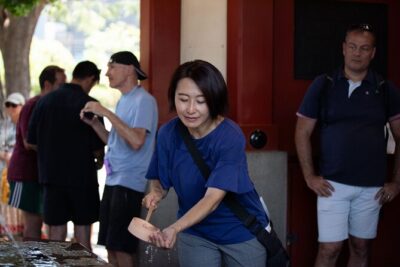
Asakusa Senso-ji Temple and Old Tokyo Walking Tour
Read our review →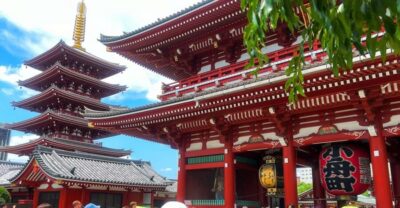
Asakusa and Tokyo’s Oldest Temple Senso-ji Tour
Read our review →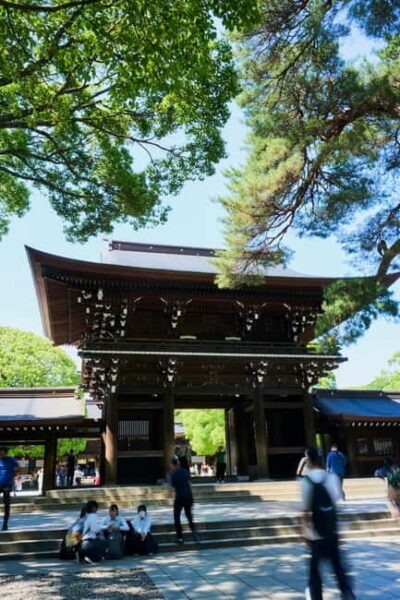
Meiji Shrine Walking Tour — Shinto & Imperial System
Read our review →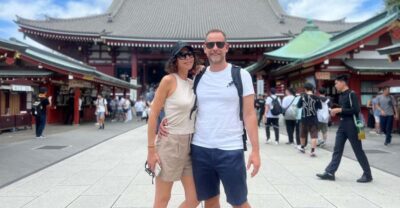
Meiji Jingu Shrine and Shinto Culture Walking Tour
Read our review →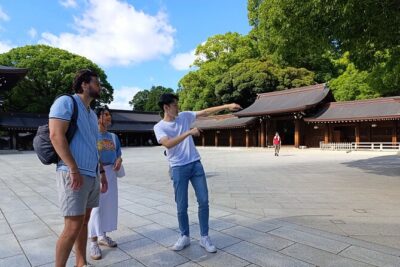
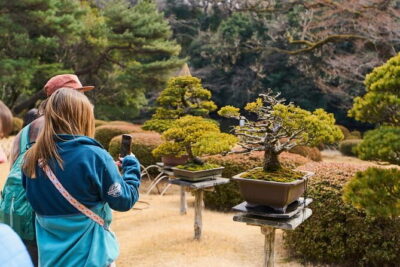
Meiji Shrine Walking Tour — Shintoism & Imperial System
Read our review →Browse the lists this tour appears in