
Reviewed · NIKKO & KAMAKURA DAY TRIPS
Kamakura: Great Buddha, Hase Temple, & Komachi Street Tour
Kamakura’s open-air Great Buddha is the star here, but the real pleasure is how the day links temples, a shrine, a local train ride, lunch, and shopping into one easy outing from Tokyo. You get a clear look at Japan’s former capital without having to plan every connection yourself.
I like the private group format, which gives your guide room to explain details and adjust the day. I also like the Enoden train ride and the choice of adding Hokokuji’s bamboo forest. The catch is cost: $530 covers up to six people, but transportation, admission, and lunch are extra, so a small group gets less value than a full one.
Key points
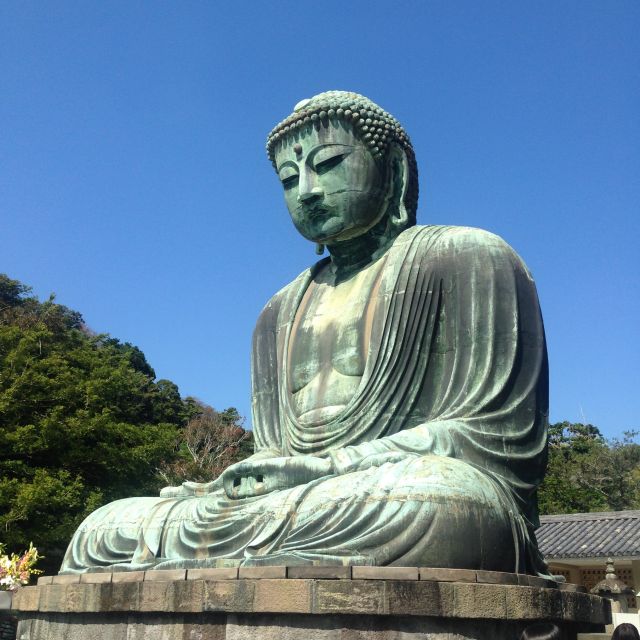
- The Great Buddha is open to the sky, a striking change from Japan’s usual indoor Buddhist halls.
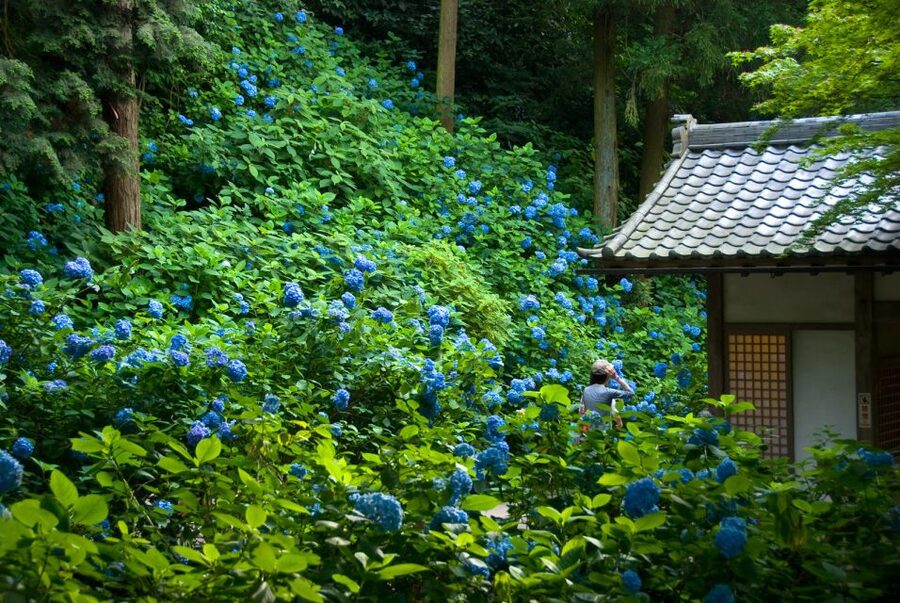
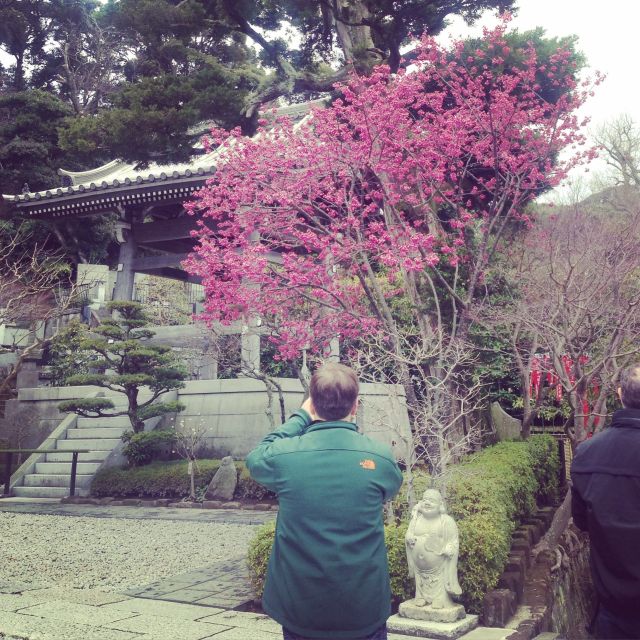
- Hase Temple offers flowers, statues, and views, with hydrangeas especially appealing in the right season.
- The Enoden local train adds a genuine Kamakura touch to the route.
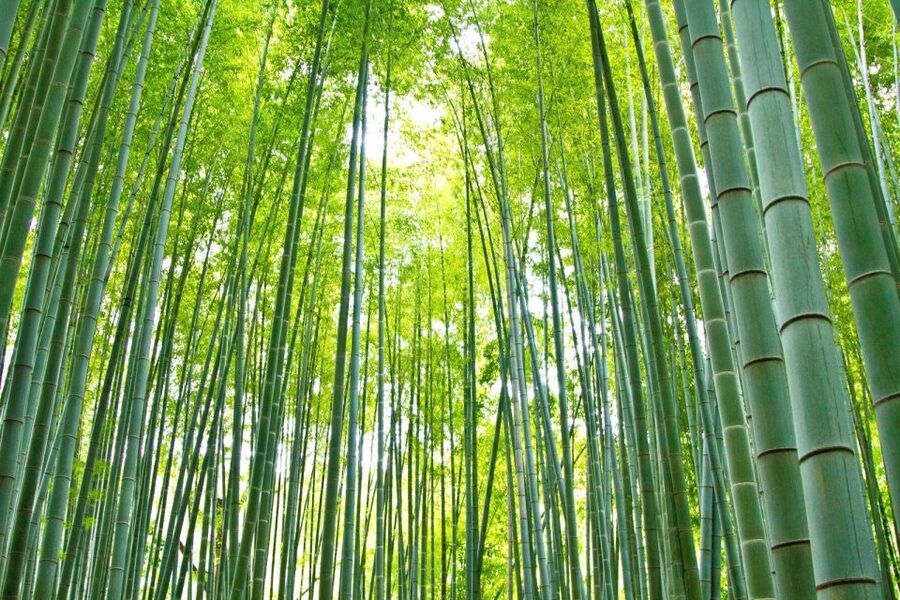
- Hokokuji Bamboo Forest can be included, giving the day a quieter temple stop.
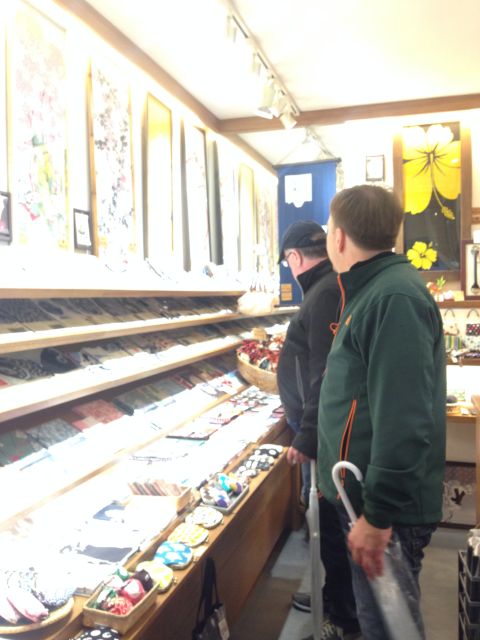
- Komachi Street leaves room for shopping, and you may stay longer if you want.
- Private guiding makes the history easier to follow, with English, French, German, and Spanish available.
Why Kamakura makes a strong day trip from Tokyo
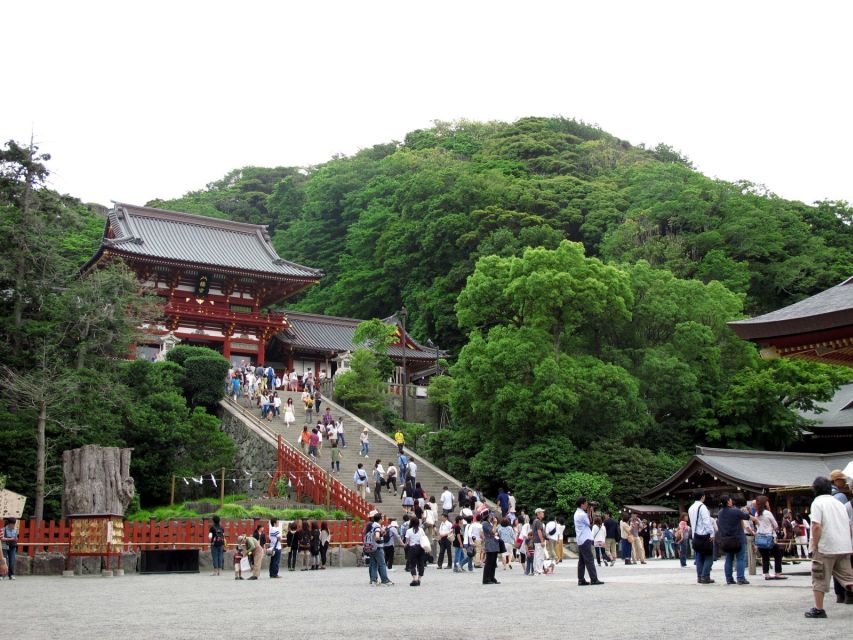
Kamakura was once Japan’s capital, and its compact cluster of Buddhist temples, Shinto shrines, and traditional shopping streets makes it a natural contrast to Tokyo. You can leave the city in the morning and spend the day among religious monuments and older streets without changing hotels.
The route begins with pickup at your hotel lobby in one of Tokyo’s 23 wards. From there, you take a JR train toward Kamakura. The trip is listed at about one to one and a half hours, depending on the schedule used, so the train ride is a real part of the day rather than a quick transfer.
This matters because Kamakura is easy to reach in theory but less simple when you are managing tickets, stations, walking directions, and several stops in one day. A private guide takes care of that flow. You still pay your own transport costs, but you are not left to work out every connection while trying to keep a group together.
More Nikko and Kamakura Day Trips in Japan:
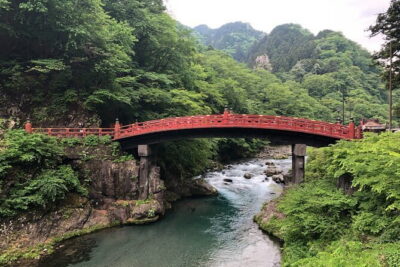
- Nikko: Kegon Falls, Lake Chuzenji & Toshogu Temple
★ 4.6 · 1,577 reviews - Tokyo: Nikko Toshogu Shrine and Kegon Waterfall Tour
★ 4.5 · 1,266 reviews - Nara: Great Buddha, Kasuga Shrine & Deer Park Tour
★ 4.8 · 62 reviews
The Great Buddha at Kotoku-in
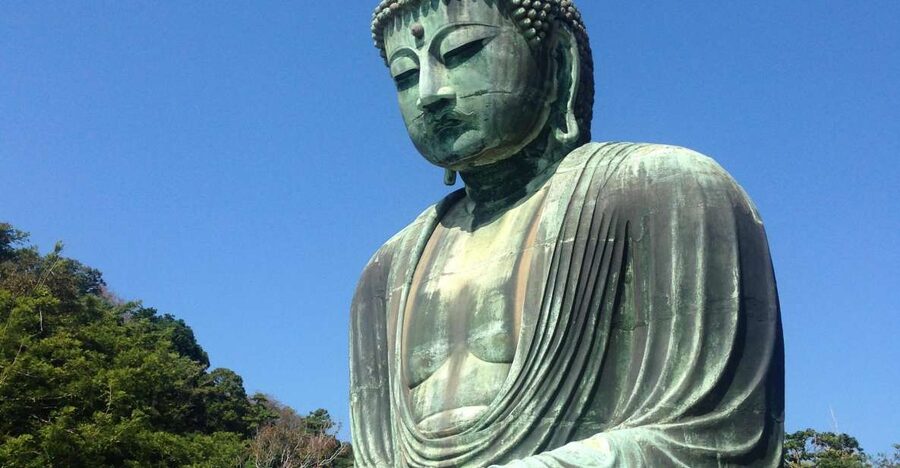
Your first major stop is Kotoku-in, home of Kamakura’s Great Buddha. It is Japan’s second-largest Buddha and sits outdoors, an unusual feature that gives the monument a broad, open presence.
I find the setting especially effective because you can see the entire figure at once. An indoor statue often feels framed by a hall, but here the sky forms part of the experience. Your guide can put the statue into the wider story of Kamakura and explain what you are seeing rather than leaving you with a quick photo stop.
Allow time to look closely at the statue, not just pose beside it. The scale is the point, but the outdoor setting is what makes this Buddha memorable. The stop is also a good test of the tour’s walking pace. You will be moving between public transport, temple grounds, and streets throughout the day, so comfortable shoes are essential.
Admission is not included. You pay entrance fees for yourself, and the guide’s admission is charged only when needed. That keeps the tour price separate from site costs, but you should budget for those extras before booking.
Hase Temple, flowers, and figures with a purpose
Hase Temple is the next main stop. It is known for seasonal flowers, with hydrangeas being a major draw from March through May. The timing of your visit matters here. Spring can bring especially attractive flowers, but it is also one of the busiest periods and guide availability in languages other than English may be tighter.
The temple is not only about plants. You will find Buddhist figures, Kannon imagery, and gods connected with wealth and good fortune. Your guide can explain the different religious roles and help you understand why people come with specific wishes. This gives the visit more meaning than simply walking through a pretty garden.
Hase Temple is also one of the places where a private guide earns its keep. Religious sites in Japan can be visually impressive but hard to read without context. A good explanation helps you notice the difference between a Buddha, Kannon, and a figure associated with wealth, and it gives you a better sense of how worship works in everyday life.
You should still expect some walking and stairs. Most stations on the route have few elevators or escalators, so tell your guide in advance if you prefer to avoid stairs. The tour can accommodate that preference better than a fixed group excursion, but it cannot remove every uneven path or station connection.
Riding the Enoden local train
The Enoden is a small local railway serving Kamakura and nearby areas. The ride listed here takes about ten minutes, but that short journey adds character to the day. You are not simply being driven from one major sight to another. You get a taste of the transport locals use around Kamakura.
The train also breaks up the sightseeing rhythm. After temples and statues, sitting for a short ride gives you a chance to rest and watch the town pass by. Your guide handles the public transport process, while you focus on getting on the right train and staying with your group.
This is not a luxury transport experience. You are using public transportation, and stations may involve stairs or limited accessibility. That is worth keeping in mind if anyone in your group has mobility concerns. The benefit is a more local feel and a better sense of how Kamakura fits together.
Other temple visits near Japan we have written up
- Kyoto: Tea Ceremony Ju-An at Jotokuji Temple
★ 4.9 · 3,207 reviews - Osaka/Kyoto:Kinkakuji,Arashiyama,FushimiInariShrine,NaraPark
★ 4.1 · 1,596 reviews - Tokyo: Asakusa Walking Tour with Sensoji Temple Visit
★ 4.8 · 1,583 reviews - Tokyo Panoramic 1 Day: Meiji Shrine, Asakusa, Odaiba and SKYTREE®
★ 4.5 · 1,222 reviews
Lunch with local choices
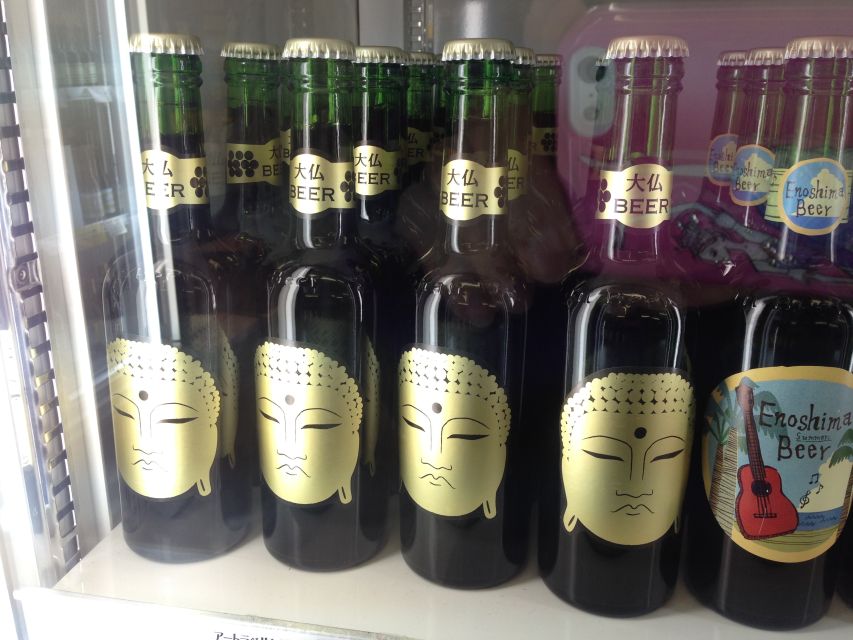
Lunch takes place at a local restaurant, with the guide joining you. Kamakura is known for seafood, so seafood dishes may be part of the local food experience. If you do not eat seafood, you can request other food in advance.
Lunch is not included in the tour price, and you also pay for the guide’s meal. Clarify your preferences before the day begins, especially if your group has different dietary needs. The stated flexibility is useful, but it works best when you communicate early.
I like having lunch built into the day rather than treating it as an afterthought. A guide who can help you understand the meal and local specialties adds practical value, especially if you are unfamiliar with Japanese menus. The tradeoff is that restaurant choice and meal cost are not fixed, so you should allow some room in your budget.
Hokokuji Bamboo Forest as an optional change
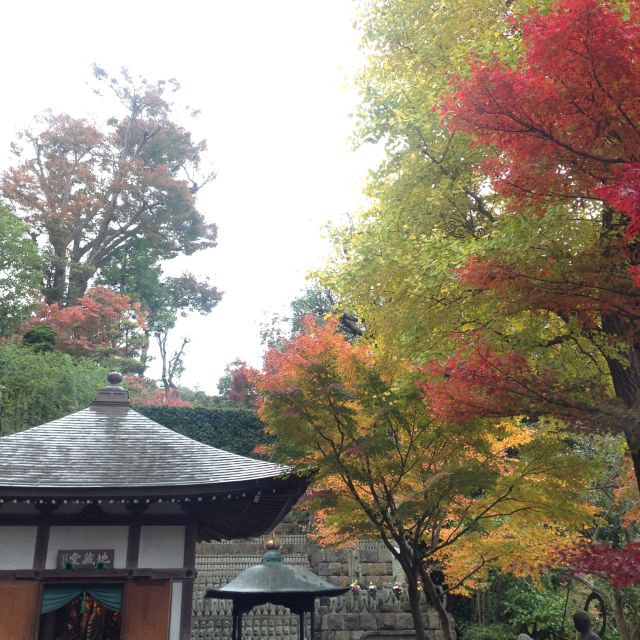
The listed route includes a bus ride to Hokokuji Bamboo Forest after lunch, followed by another bus ride back toward central Kamakura. The tour can also be changed to suit your interests, and Hokokuji is one of the suggested alternatives when adjusting the plan.
The bamboo forest gives the day a different mood from the Great Buddha and Hase Temple. Instead of focusing on a single large monument or a collection of religious figures, you walk through a narrow stand of bamboo at a temple site. It is a good choice if you want a quieter pause and a strong visual contrast.
The extra bus rides matter. They add time and may make the day feel more packed, especially if you linger at earlier stops. If shopping matters more to you than another temple, ask to change the plan. If you want a wider sample of Kamakura’s sights, keeping Hokokuji makes sense.
Tsurugaoka Hachimangu and Kamakura’s central story
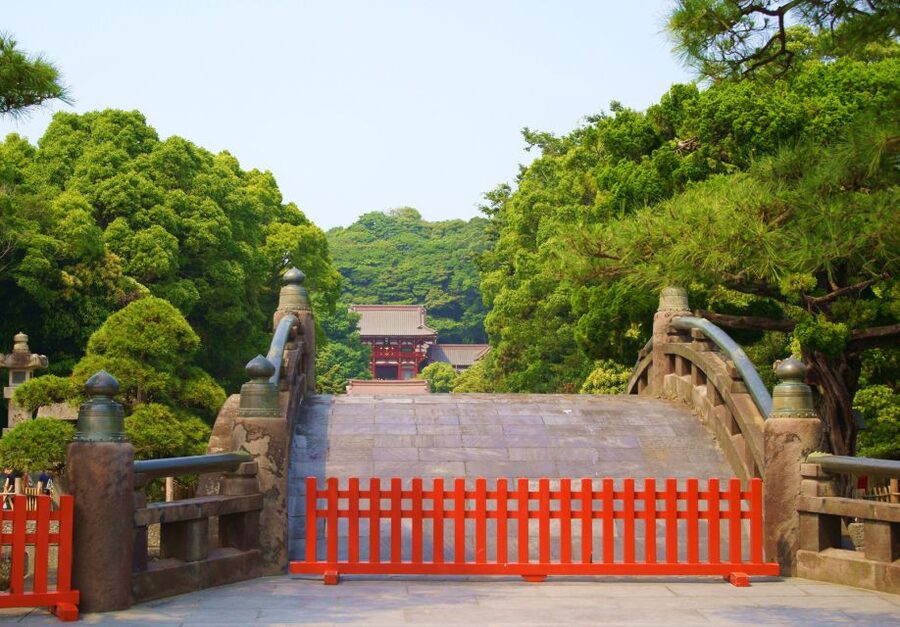
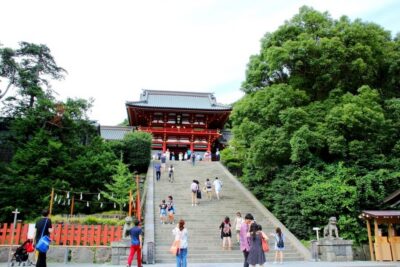
The route then returns by bus to Tsurugaoka Hachimangu, Kamakura’s major Shinto shrine. This gives you an important change of tradition after the Buddhist stops. You are no longer looking only at statues and temple grounds. The shrine offers a chance to see how Shinto spaces are arranged and used.
Your guide can connect the shrine to Kamakura’s political and religious past. That historical framing is one of the strongest reasons to choose a guided day rather than simply visiting the Great Buddha on your own. The route becomes a story about the city, not just a list of famous sites.
The shrine is also well placed for the final part of the tour. From here, you move toward Komachi Street, so the day shifts naturally from history to food and shopping.
Komachi Street for gifts and a flexible finish
Komachi Street is Kamakura’s main shopping corridor, with places to browse for food, souvenirs, and gifts. The tour gives you time here after Tsurugaoka Hachimangu, and you can ask to stay longer if shopping is a priority.
This flexibility is useful. Some groups will be ready for the return train after a full day, while others will want time to look for items connected with Kamakura. One guide, Ena, helped a group identify gifts with local significance, which is exactly the kind of small practical help that can make shopping more worthwhile.
Do not expect a quiet final stop. Komachi Street can be busy, and the point is browsing rather than a calm temple visit. Set a meeting plan with your guide if members of your group want different amounts of shopping time.
What the $530 price really buys
The price is $530 per private group of up to six people. That can be reasonable for a full group, especially if you value hotel pickup, a dedicated guide, help with public transport, language support, and the ability to change the route.
For two people, the cost is much harder to justify. You still need to pay for trains, buses, entrance fees, and lunch, so the total rises beyond the advertised amount. A larger family or group of friends gets the best per-person value.
The strongest part of the price is the guide’s time. Several guides have received especially warm praise for clear English, strong historical explanations, and attentive service. Ena helped with navigation, temple background, and gift choices. Rie led a German-language day with extensive explanations of Kamakura’s temples, shrines, and history. Shizuko was noted for careful, attentive guiding, while Mina received praise for friendly service.
Language availability includes English, French, German, and Spanish. In the busy periods of March through May and September through November, non-English guide availability may be limited, so early booking is sensible once your Tokyo dates are fixed.
Walking, timing, and who should book
This is an active eight-hour day. You walk through temple and shrine grounds, use trains and buses, and move between several stops. Stations may have few elevators or escalators, and the tour does not end later if your own group starts late, so arrive ready at the agreed pickup time.
The tour suits people who want structure but do not want a large group. It is particularly useful for first-time visitors to Kamakura, families who want help with trains, and anyone who prefers historical explanation at each stop. Children under five are free, which may help families, though the walking and transport still require patience.
You can request an altered plan that includes Enoshima Island or changes the balance between Hokokuji, shopping, and the central Kamakura sights. Confirm the desired route before the day begins, since an eight-hour schedule cannot fit every possible stop comfortably.
Travel insurance is recommended, and the guide is not responsible for illness, injury, theft, loss, or related damage during the outing. That is standard practical advice, but it is worth noting because this is a full public-transport day rather than a private vehicle tour.
Should you book this Kamakura day?
Book it if you want a private, history-focused day from Tokyo and your group can share the $530 cost. The combination of the Great Buddha, Hase Temple, Enoden train, Tsurugaoka Hachimangu, and Komachi Street gives you a strong first look at Kamakura, while Hokokuji adds a bamboo forest if the schedule allows.
Think twice if you are a solo visitor or couple watching every yen. The extra transport, admissions, and lunch make the final cost higher, and Kamakura can be visited independently by confident public-transport users.
For the best experience, wear good walking shoes, request your preferred language early, state any stair or food concerns before departure, and decide whether shopping or Hokokuji matters more. With a full group and a guide such as Ena, Rie, Shizuko, or Mina, the tour offers a practical way to turn Kamakura’s scattered sights into one understandable day.
FAQ
Where does the tour begin?
Pickup is provided at the lobby of your hotel in one of Tokyo’s 23 wards.
How long does the experience last?
The tour lasts eight hours. The return is by train, with the listed finish in Shinjuku, Tokyo.
Is transportation included in the price?
No. You pay the transportation costs for your group. The route uses JR trains, the Enoden local train, and a bus or coach.
Are entrance fees included?
No. Entrance fees for participants are extra. The guide’s entrance fee is charged only when needed.
Is lunch included?
No. Lunch is paid separately for you and the guide. Seafood is a local specialty in Kamakura, and other food can be arranged if requested.
Which languages are available?
Guiding is available in English, French, German, and Spanish. During busy seasons, availability in French, Spanish, German, and other languages may be limited.
Can the itinerary be changed?
Yes. The plan can be adjusted to include places such as Hokokuji Bamboo Forest or Enoshima Island. You may also stay longer for shopping after the scheduled tour.
Newly written up around Japan
- From Asakusa: Old Tokyo, Temples, Gardens and Pop Culture★ 5.0 · 47 reviews
- Goshuin Collecting tour at Asakusa Local Temples & Shrines, Tokyo★ 5.0 · 8 reviews
- Private guided tour: Mt. Aso volcano, grasslands, Aso Shrine★ 5.0 · 19 reviews
- Takayama Inari Shrine Tour with Private Transportation★ 5.0 · 5 reviews
- Tokyo: Snow Monkey and Zenkoji Temple Day Trip In Low Price★ 5.0 · 5 reviews
- Tokyo: Gotokuji Culture Walk & Lucky Cat Temple Experience★ 4.9 · 5 reviews
- :Tokyo,Shibuya /Meiji Shrine tour in KIMONO/English-friendly★ 5.0 · 4 reviews
- Tokyo War History Tour: Yasukuni Shrine & War Museum★ 4.5 · 6 reviews
Nikko & Kamakura Day Trips, compared.
Nikko Toshogu Shrine and Kegon Waterfall Tour
Read our review →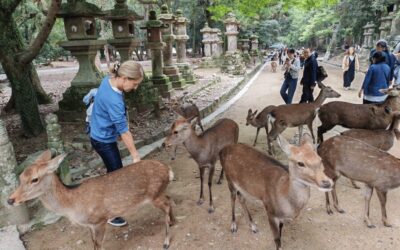
Kamakura Temples Private Guided Tour from Tokyo
Read our review →
Tokyo Nikko Toshogu Shrine Iroha-zaka Lake Chuzenji Day Tour
Read our review →
Sopporo: Hokkaido Shrine and Atama Daibutsu Full-Day Tour
Read our review →Browse the lists this tour appears in